There are places everyone knows.
St. Stephen’s Cathedral, the Hofburg, the State Opera. They shape the image of Vienna and are, for many visitors, the first stop. Yet whoever experiences only these landmarks knows the city from just one side.
For many years now, I have been drawn to the places in between.
The narrow lanes, the small squares, the hidden courtyards — only a few steps away from the well-known landmarks. Places where you automatically slow down, lift your gaze and begin to notice details that easily disappear in the noise of the larger squares.
For me, the real Vienna begins there.
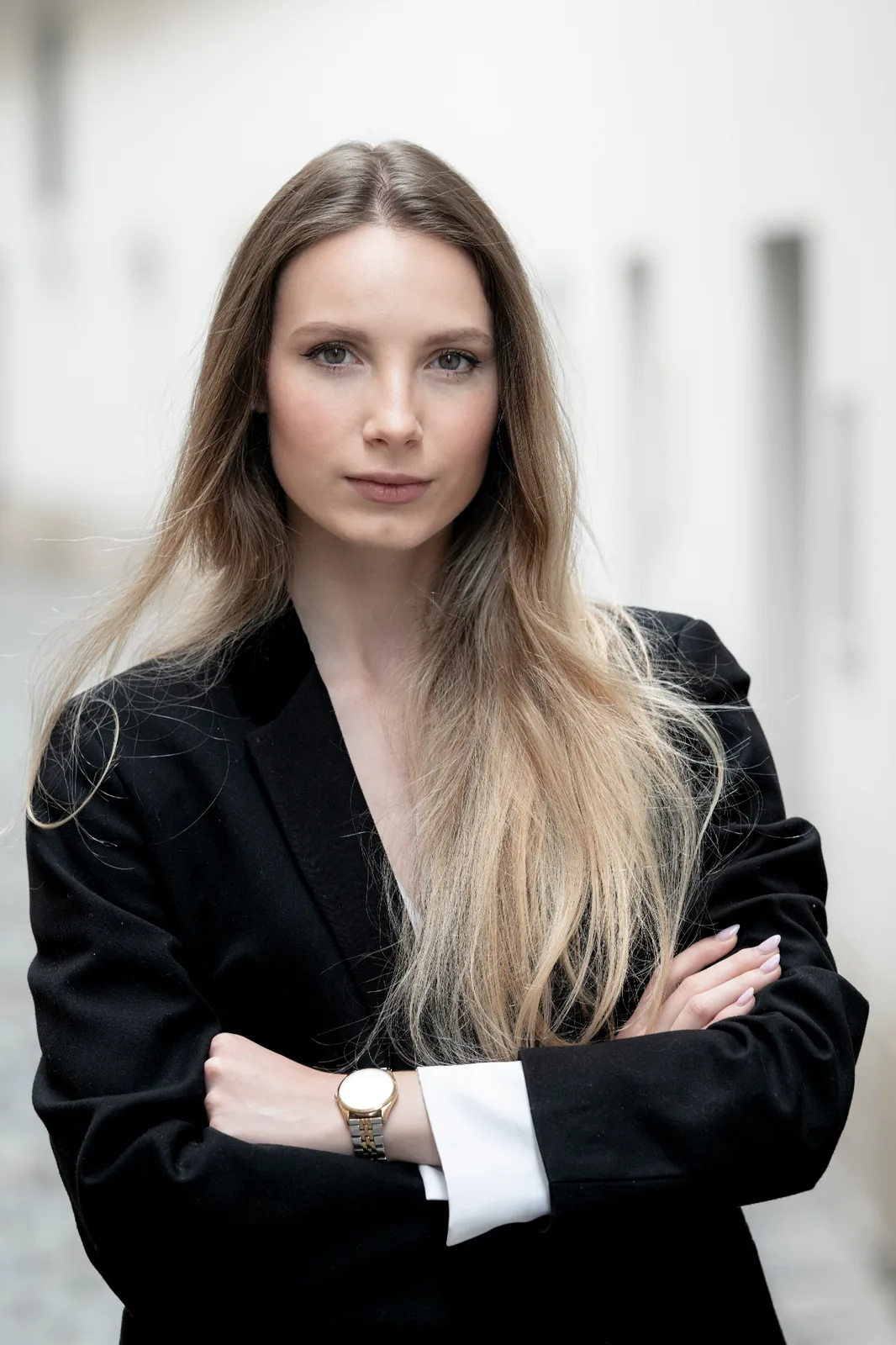
One of my favourite places is the Blutgasse.
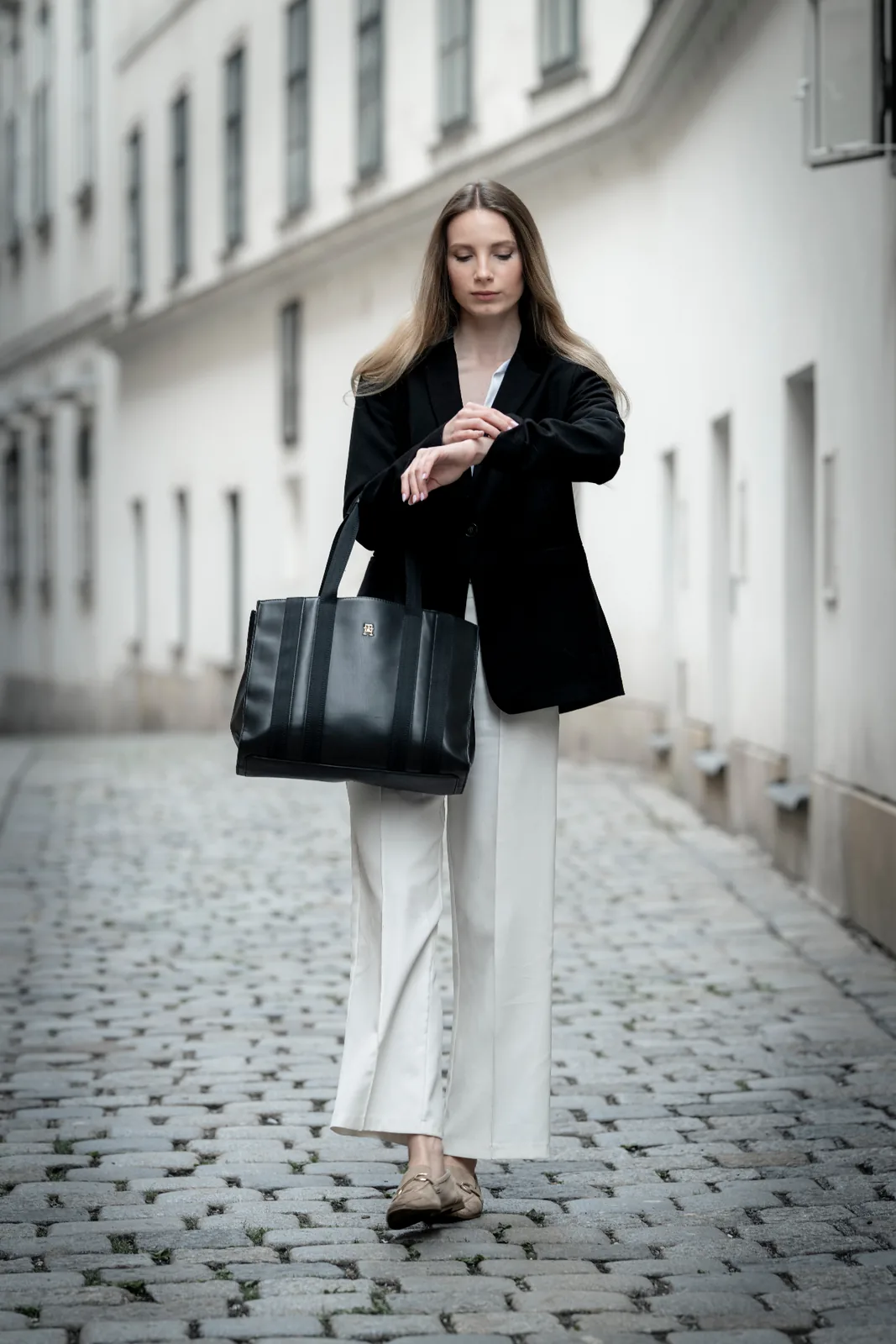
It lies in the middle of the first district and yet feels as if it has withdrawn a little from the rhythm of the city. Cobblestones, narrow houses, winding façades — a Vienna of centuries past. It is not about getting from one point to the next as quickly as possible.
You stop. Not because you have to, but because you discover something.
What I love about the Blutgasse often reveals itself only at second glance. Small passages open between the old houses. Courtyards hide behind heavy gates that can hardly be seen from outside. Each of these places feels a little different — and that is exactly what makes them special.
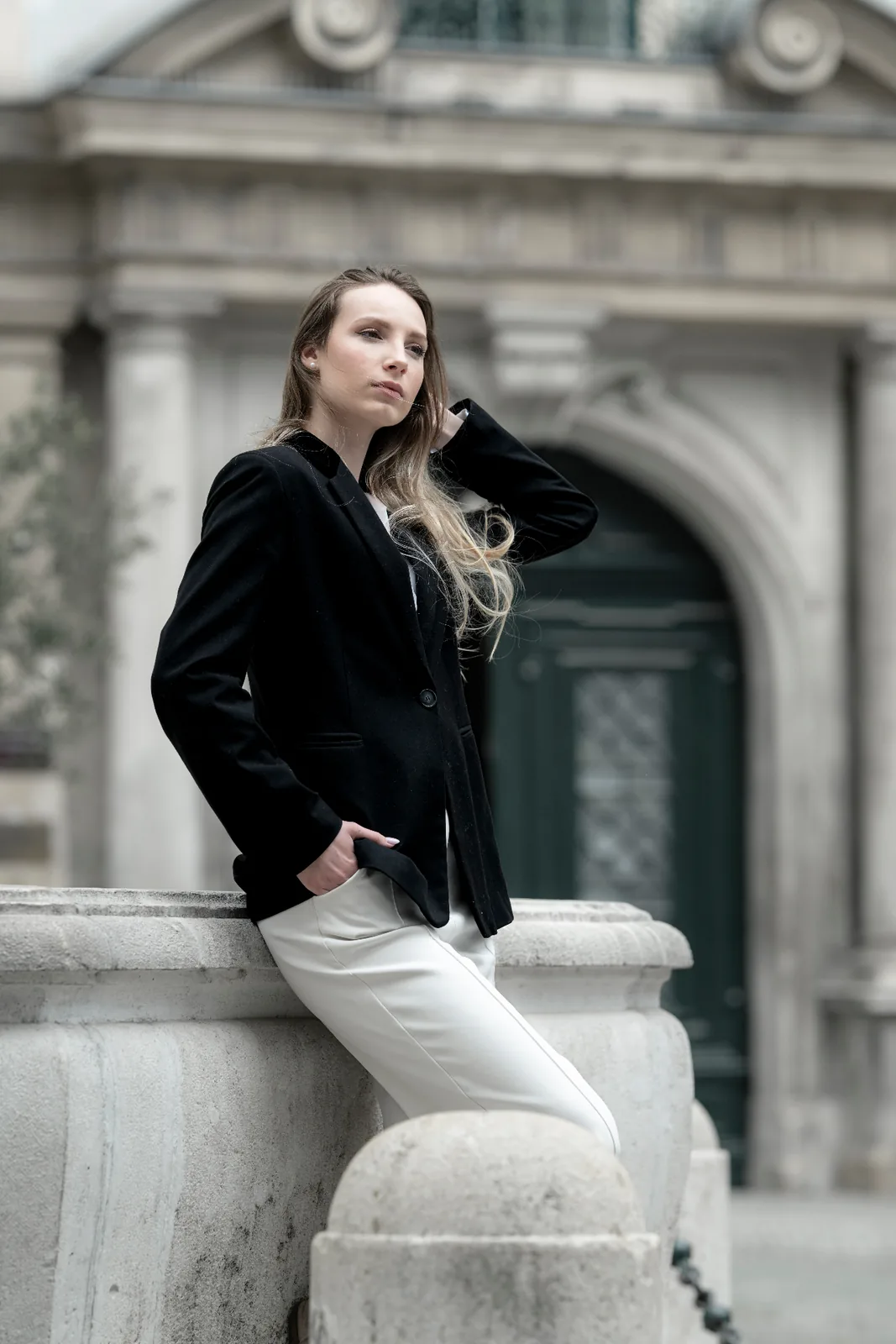
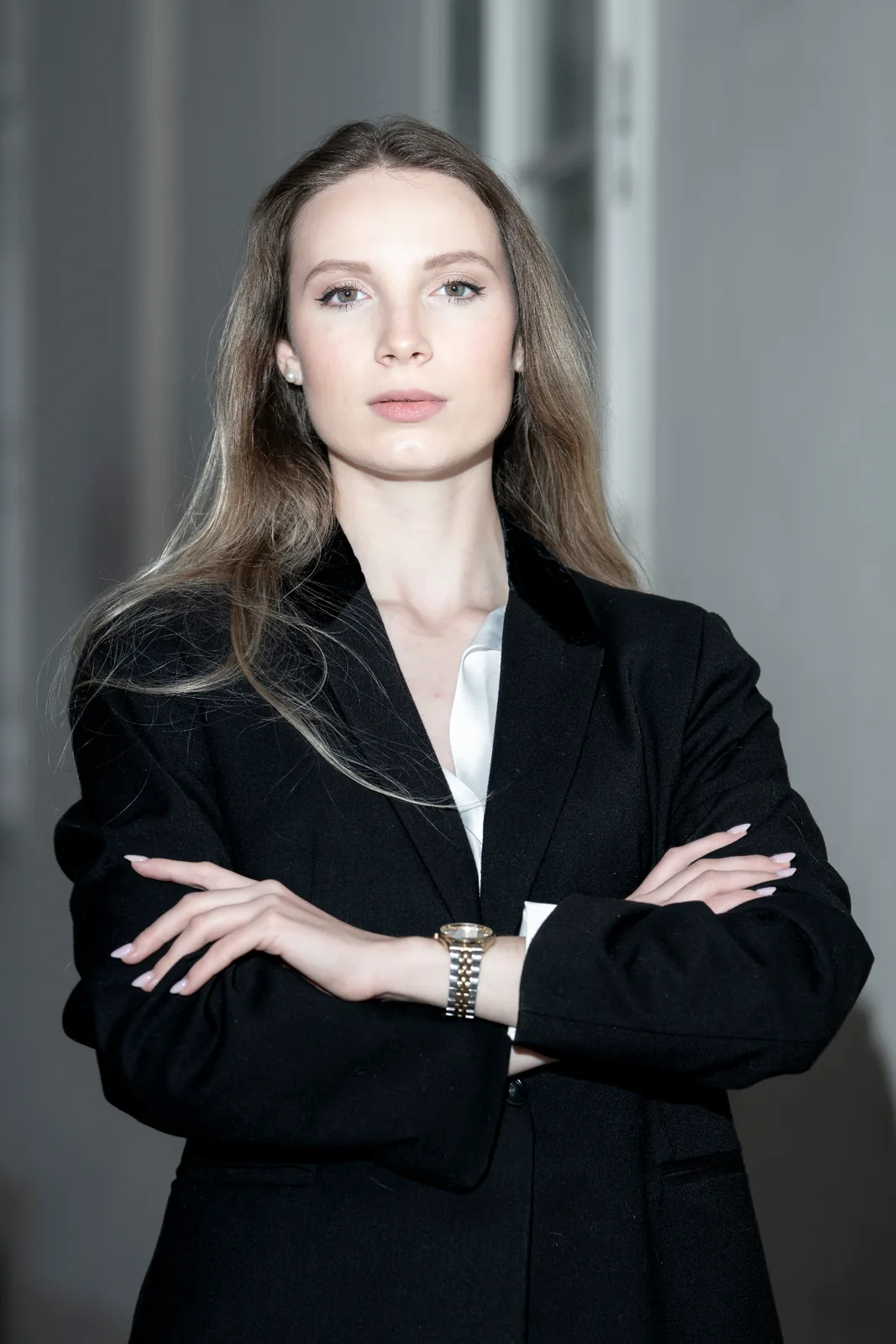
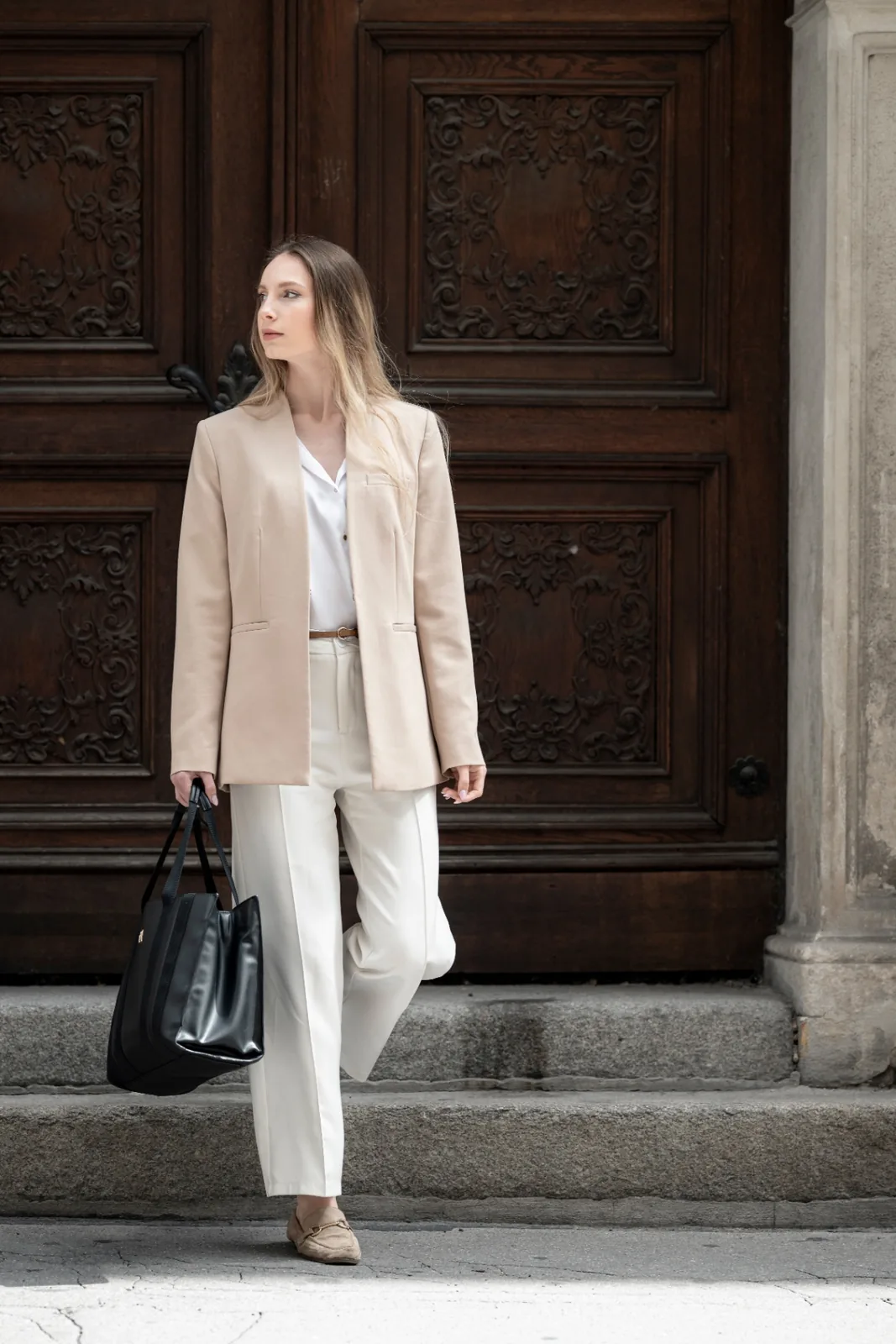
For this editorial, the Blutgasse was the starting point of our walk.
Not with the aim of photographing as many famous places as possible, but with the idea of finding places that give a series character without pushing themselves into the foreground.
Because that, to me, is what good portrait photography is about.
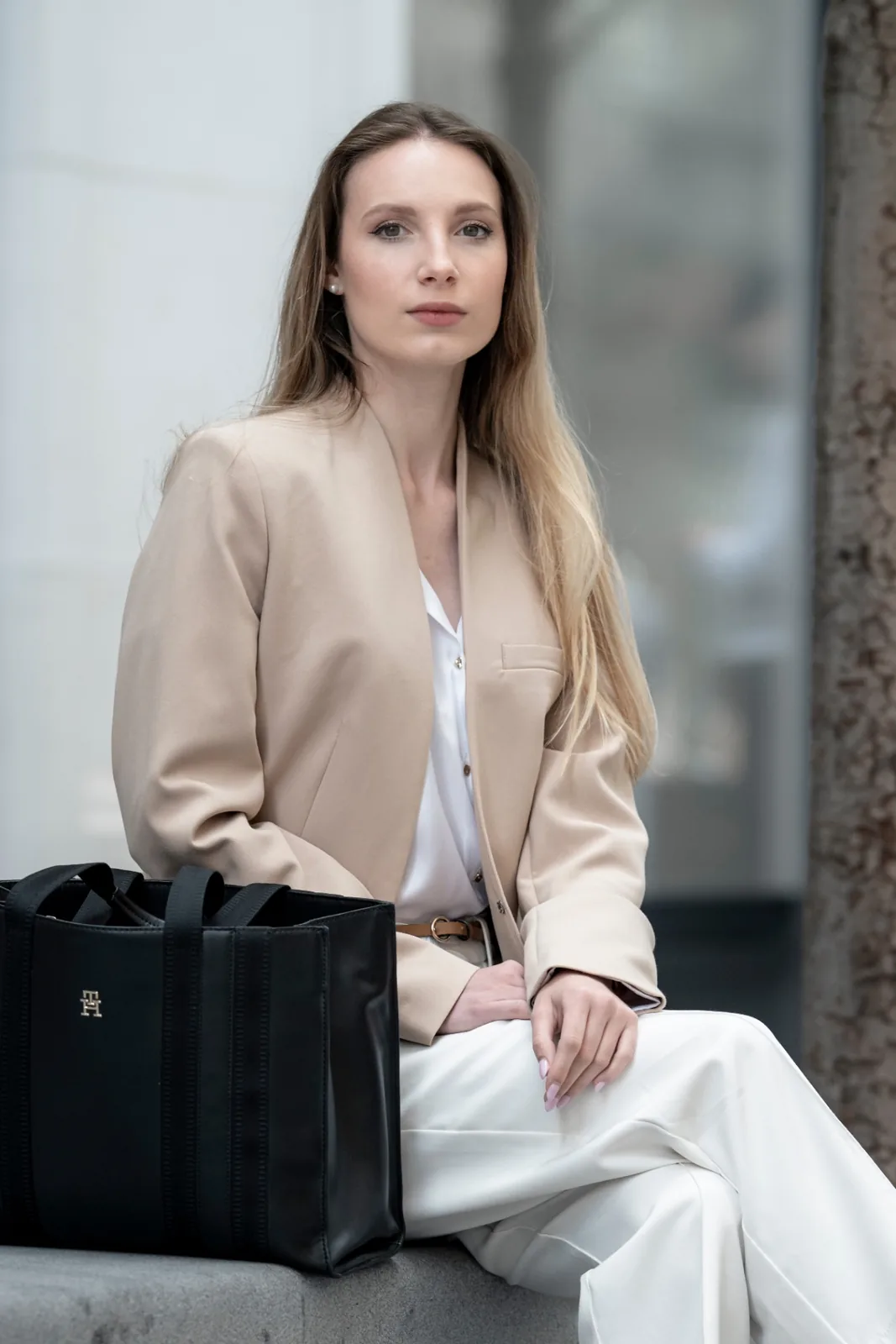
The surroundings may shape an image. But they should never dominate it. The person always remains the main subject.
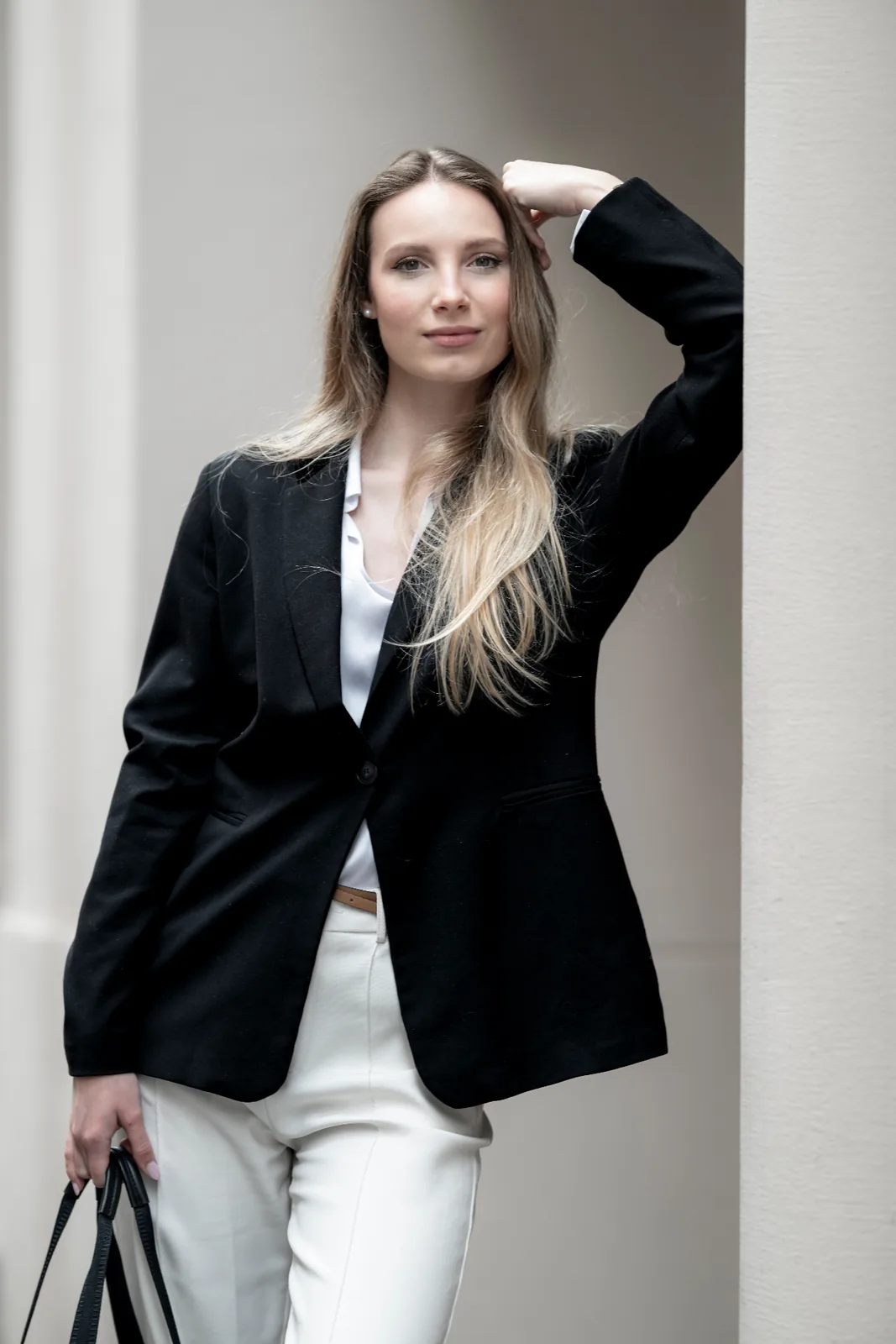
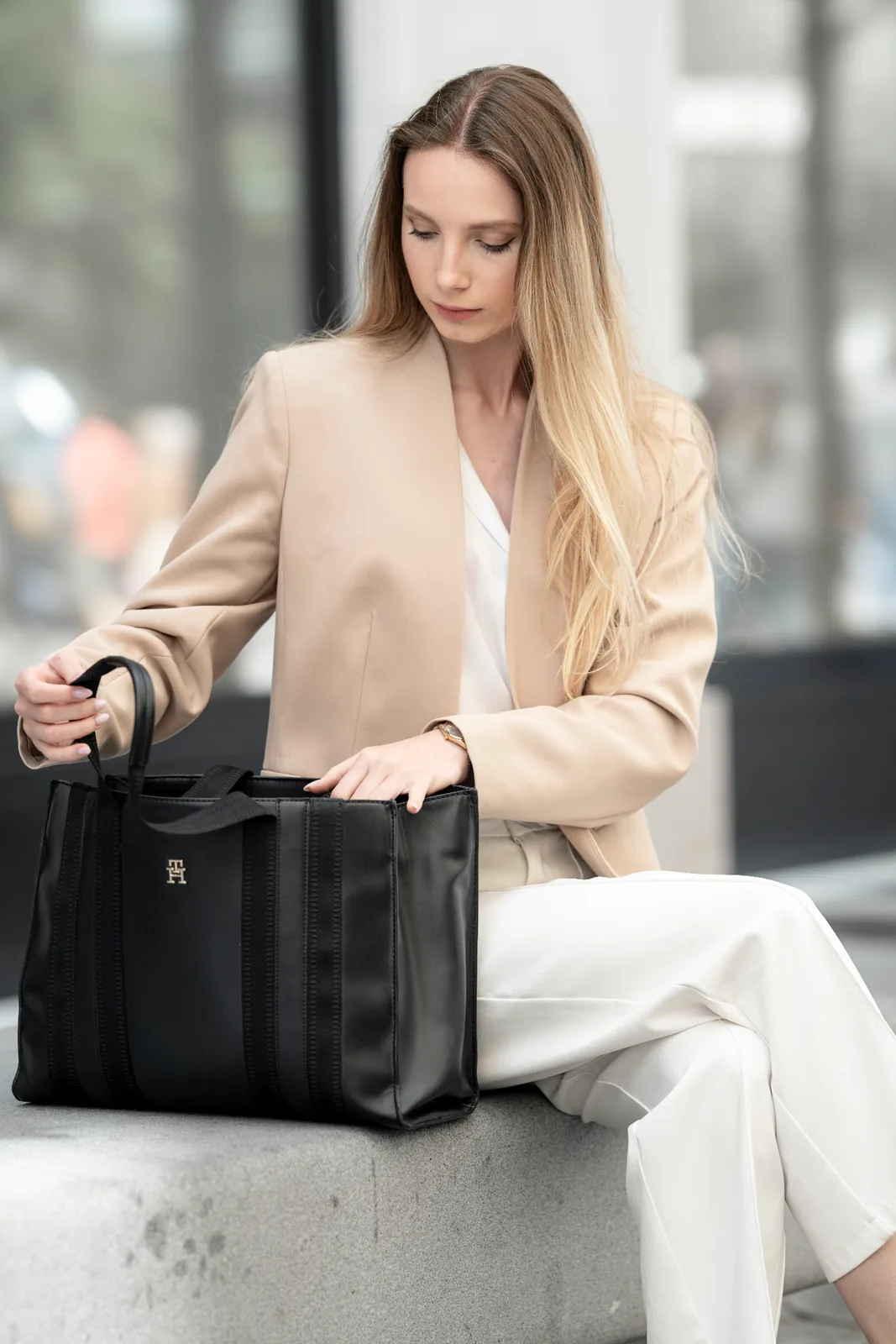
The resulting series is inspired by a modern form of executive portrait photography. Clear lines, natural movement and a reduced visual language place the person at the centre. The city provides the character, not the staging.
For this editorial I worked with the Viennese model Anna Bronner (@annaa_bronner). The series was created to develop a modern executive visual language further and to explore different pictorial ideas in the historic lanes of Vienna’s inner city.
Personal projects like this one are an important part of my creative process. They open space for new ideas, new perspectives, new compositions — and later flow back into portraits of entrepreneurs, executives and experts.
Perhaps that is the reason I keep returning here.
Not to photograph the same places again — but because they never feel the same. The light changes. The seasons change. And with every person, the view of the city changes as well.
Perhaps that is exactly what makes Vienna’s inner city so special. Its most famous landmarks are known to everyone. Its most beautiful sides only reveal themselves to those willing to take the next step.
For me, photography often begins exactly where the city map ends.
Editorial Recommendations