A good portrait shows a person.
An exceptional portrait asks a question.
It offers clues, creates an atmosphere and leaves the decisive part to the viewer: the story behind the image.
What happened immediately before this moment? What will happen next? And why can two people see something entirely different in the same photograph?
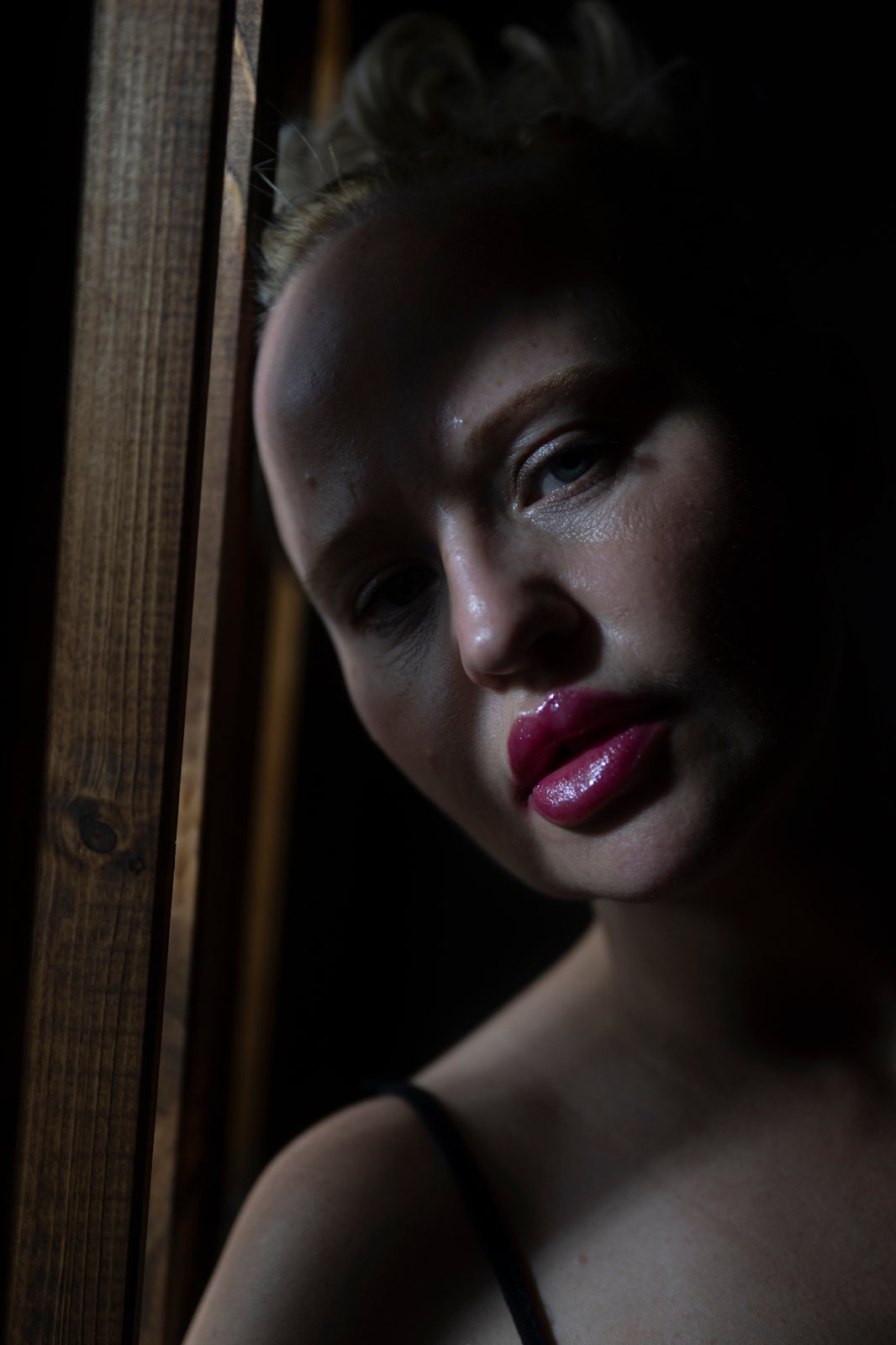
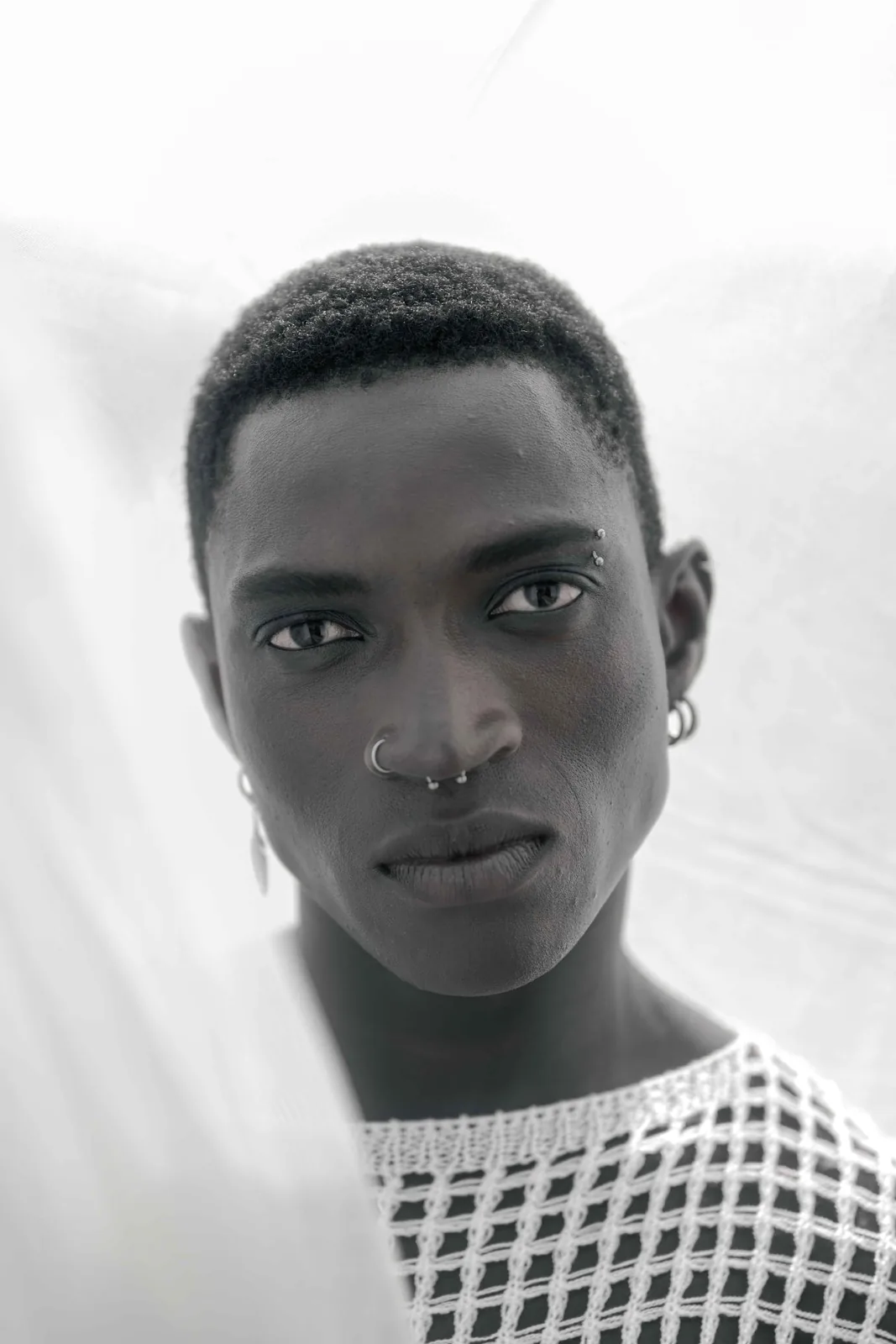
These four fine art portraits were created during an independent editorial production in Linz in September 2026. Fire, lace, hard light and an empty picture frame were not used as decoration. Each element was intended to create an expectation while preventing the image from offering a single, definitive explanation.
When a Story Catches Fire
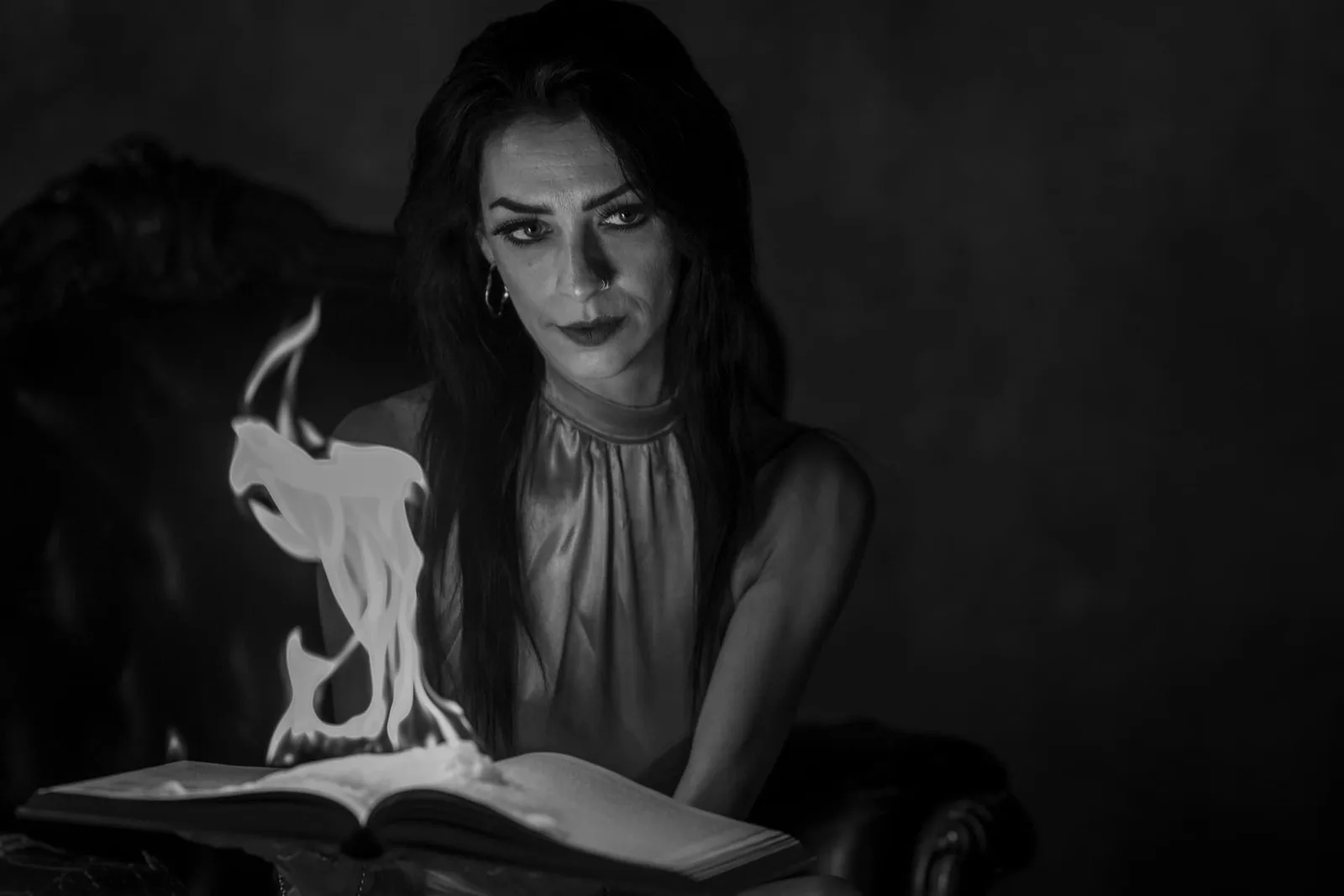
An open book lies in front of a woman. Flames rise from its pages, yet her attention is not fixed on the fire. Her gaze leads beyond the frame.
Is a memory being destroyed? A conviction? Or is something new beginning?
The answer remains open.
The central art direction decision was to prevent the fire from becoming a mere effect. Face, book and flame had to function as equal parts of the scene. The black-and-white treatment removes the fire’s familiar colour and transforms it into light, shape and symbol.
Photographically, the challenge was the extreme contrast. The flame needed to retain its structure without allowing the face to disappear into shadow. The NIKKOR Z 135mm f/1.8 S Plena compresses the scene and, at full aperture, separates the subject gently from her surroundings.
Camera settings: Nikon Z8 · NIKKOR Z 135mm f/1.8 S Plena · 135mm · f/1.8 · 1/160 sec · ISO 250
Closeness Behind a Boundary
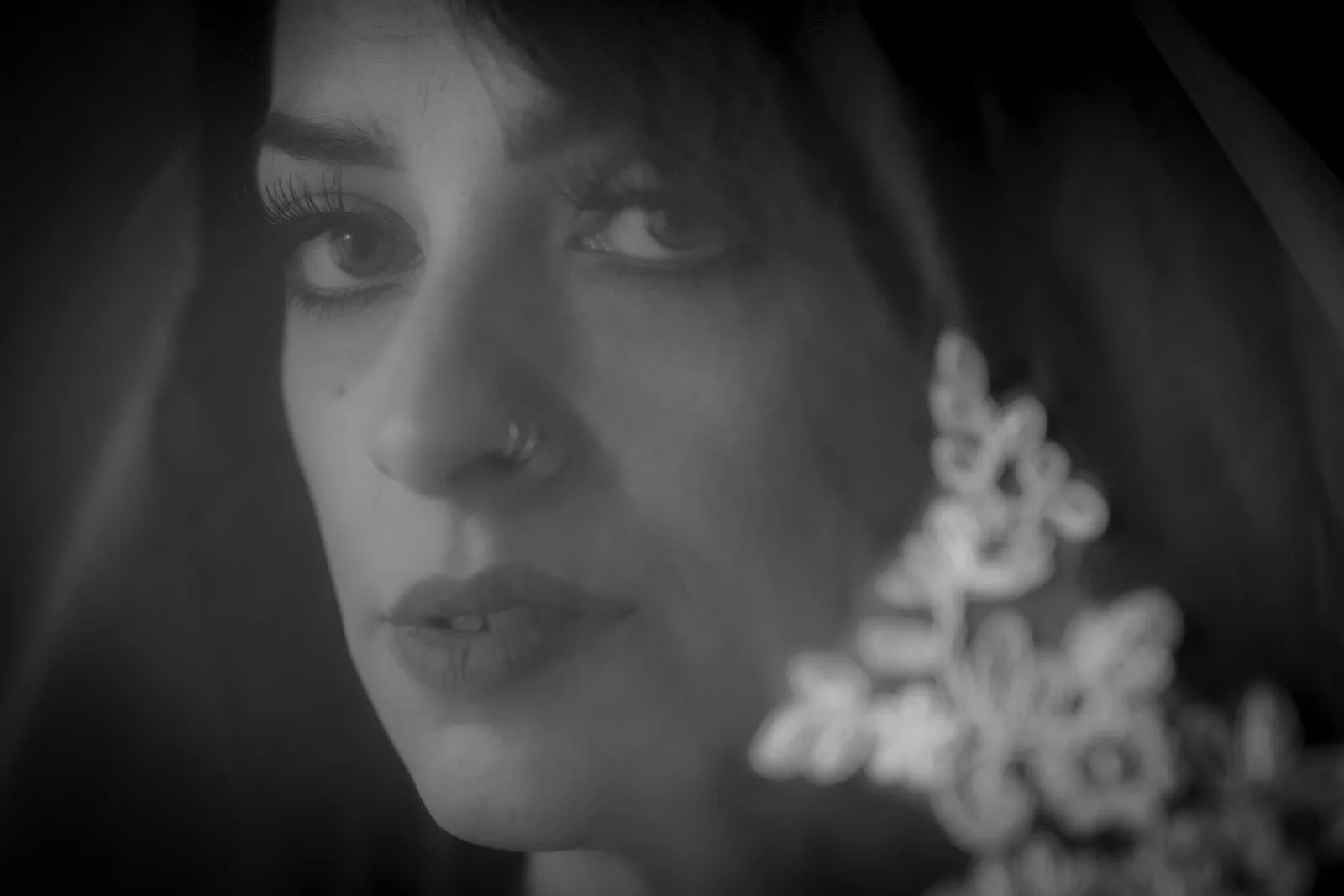
We see a face through a layer of delicate lace. The eyes remain clear enough for an immediate encounter, yet something lies between the person portrayed and the viewer.
Protection or restriction? Closeness or distance?
The lace was incorporated directly into the composition. It introduces a second visual layer without overloading the portrait with additional props. A simple material creates tension without requiring an elaborate set.
For photographers, the crucial detail is the position of the fabric. Placed too far from the lens, it would become too defined and visually dominant. Too close or too blurred, and it would lose its meaning. At f/1.8, the focus remains on the eyes while the lace becomes a soft but recognisable boundary.
Camera settings: Nikon Z8 · NIKKOR Z 135mm f/1.8 S Plena · 135mm · f/1.8 · 1/160 sec · ISO 400
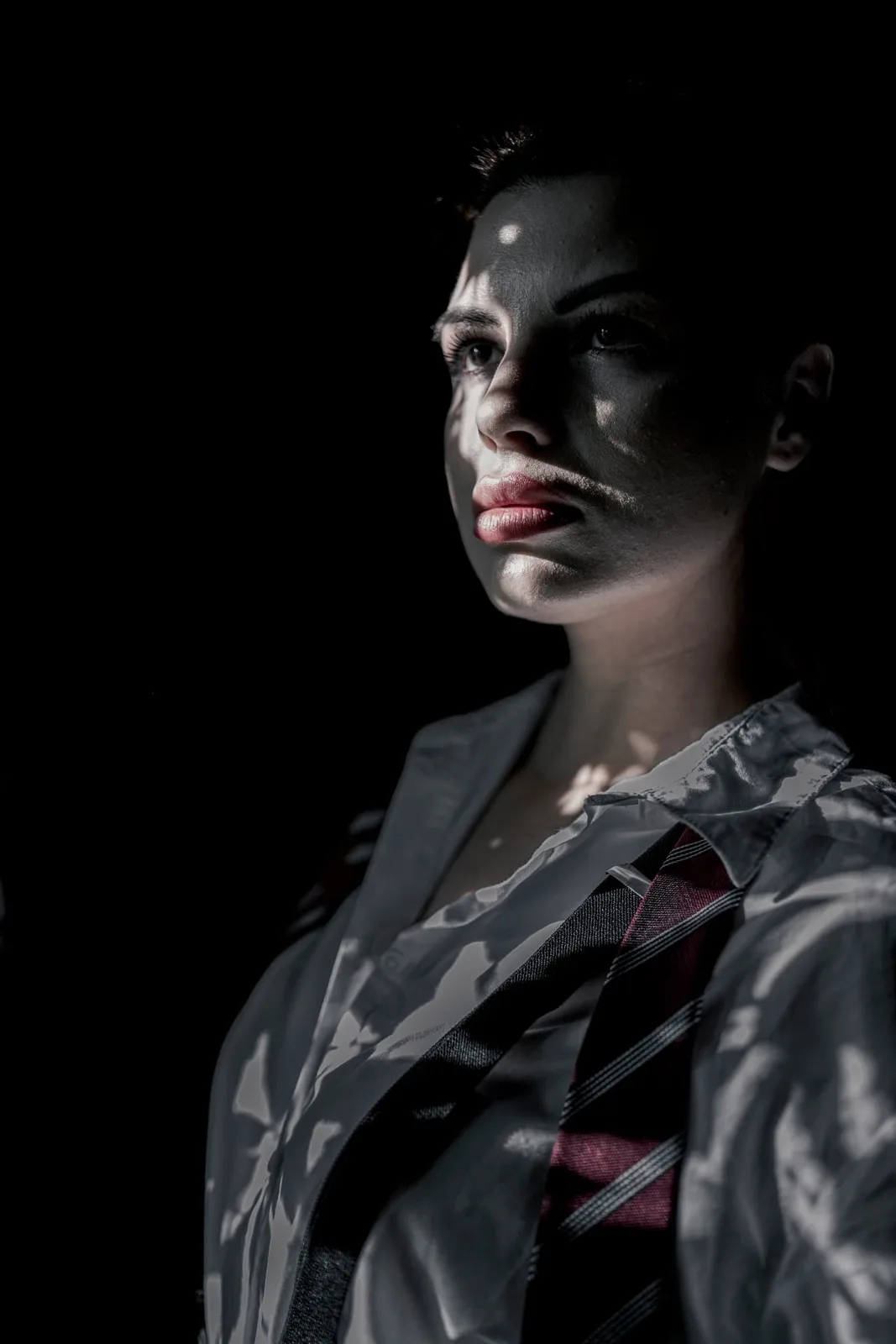
Light as Part of Identity
A white shirt, a tie and an upright posture: familiar signs of order, authority and control.
Yet the light contradicts this certainty. Bright patterns and deep shadows divide the face and clothing into visible and concealed areas.
Which role are we seeing—and how much of it exists only in our own perception?
Styling and lighting deliberately work against each other. The clothing creates a clear expectation; the irregular pattern of light disrupts it. This tension is particularly relevant to editorial photography and brand communication. An image does not remain memorable because everything is immediately understood, but because something familiar has been combined in an unexpected way.
The 35mm lens creates greater spatial immediacy than the 135mm portrait lens. The fast shutter speed preserves the delicate light pattern, while ISO 100 and the dark background support its graphic quality.
Camera settings: Nikon Z9 · NIKKOR Z 35mm f/1.8 S · 35mm · f/1.8 · 1/640 sec · ISO 100
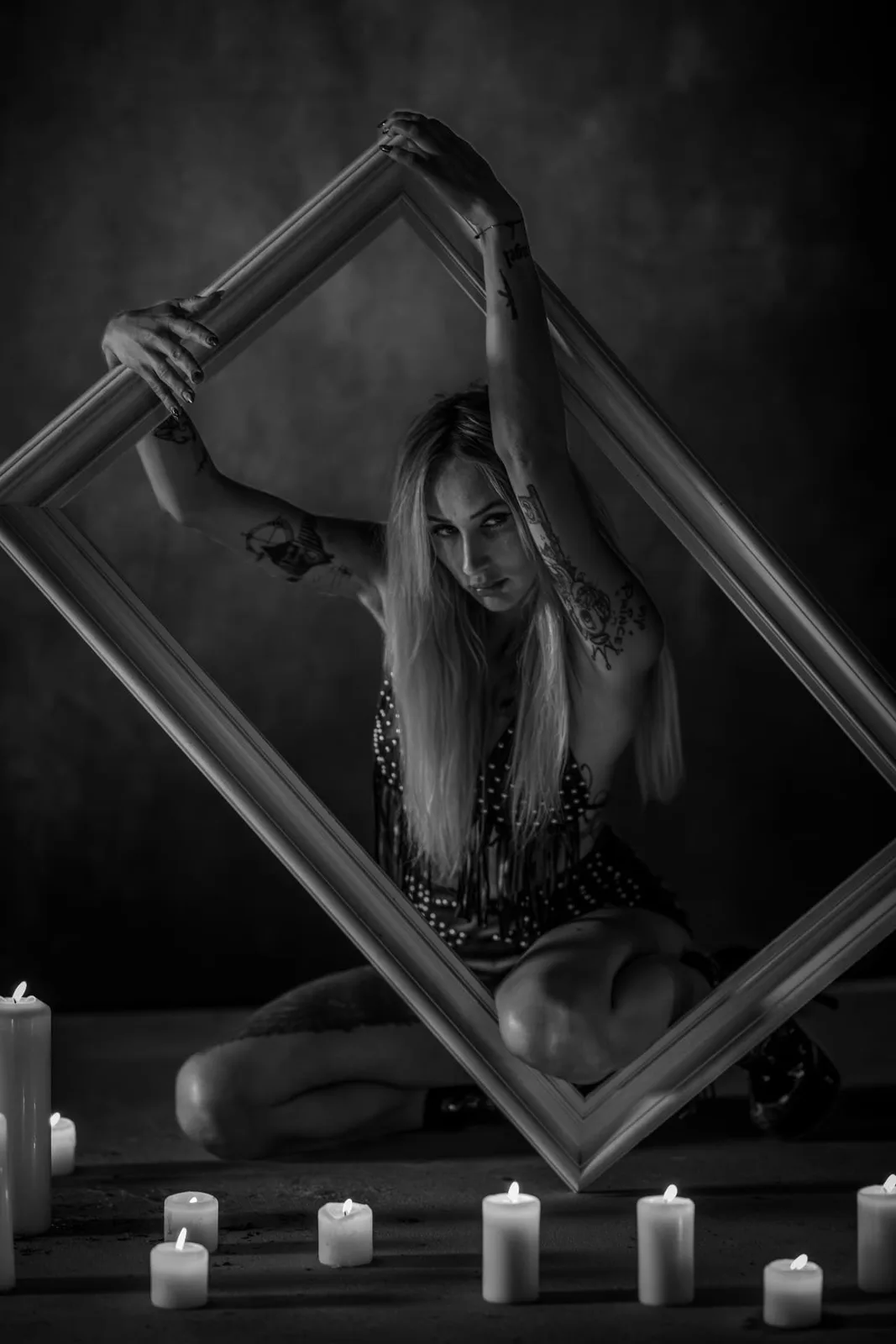
Who Defines the Frame?
An empty picture frame would normally determine where an image begins and ends.
Here, the portrayed person sits inside it, reaches beyond it and holds it herself. She is framed while simultaneously taking control of the frame.
The composition uses a familiar object against its original purpose. The tilted frame creates diagonals and controlled unrest, while the candles establish a calm visual counter-rhythm along the lower edge.
Photographically, two boundaries had to work at the same time: the actual edge of the photograph and the frame within the scene. The 135mm lens compresses the layers and holds the geometric construction together. The wide aperture separates the background without disconnecting the frame, hands and face.
Camera settings: Nikon Z8 · NIKKOR Z 135mm f/1.8 S Plena · 135mm · f/1.8 · 1/160 sec · ISO 320
Three Perspectives on the Same Image
For the person in front of the camera, a portrait can be more than a flattering representation. It can reveal contradictions, attitude and personality without reducing someone to a single role.
For art directors, advertising agencies and marketing teams, this series demonstrates how a simple element can become a distinctive visual concept. A strong visual identity does not necessarily require an elaborate set. It requires a clear concept, precise art direction and the confidence to trust the audience.
For photographers, the most important decision comes before choosing a camera or lens: first define the question the image should leave unanswered. Lighting, focal length, perspective and post-production follow from there.
The Story Begins After the Image
Photography can explain, document and prove.
It can also begin a thought that continues beyond the edge of the frame.
Perhaps the images we remember longest are precisely those that refuse to tell us what we are supposed to see.
What story do you see?
Discover more independent work in Beyond Stories. The SCHOPHO Journal regularly publishes new articles about creative portrait photography, visual storytelling, portrait lighting and the development of distinctive visual concepts.
Photography and concept: Peter Scholz · SCHOPHO