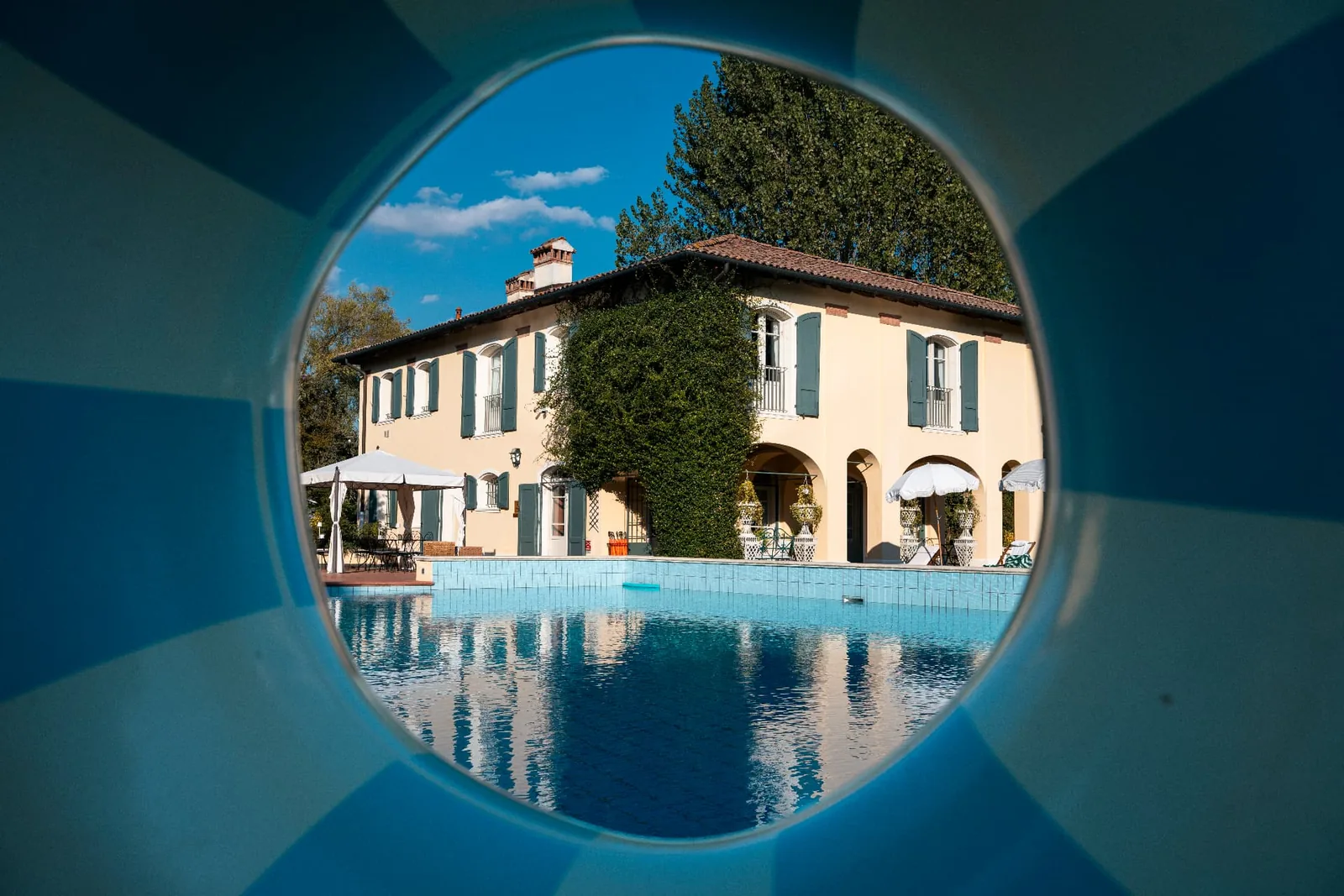
A November day among autumn colours, courtly history and modern art. And an invitation to look a little closer on your next trip.
Travel & Locations · Fertőd · Visited on 8 November 2026
Words and photography: Peter Scholz / SCHOPHO
Some places stay on your wish list for years, even though they are barely more than an hour’s drive away. Esterházy Palace in Fertőd was one of those places for me. A beautifully clear November day finally provided the reason to set off on impulse. The camera came along.
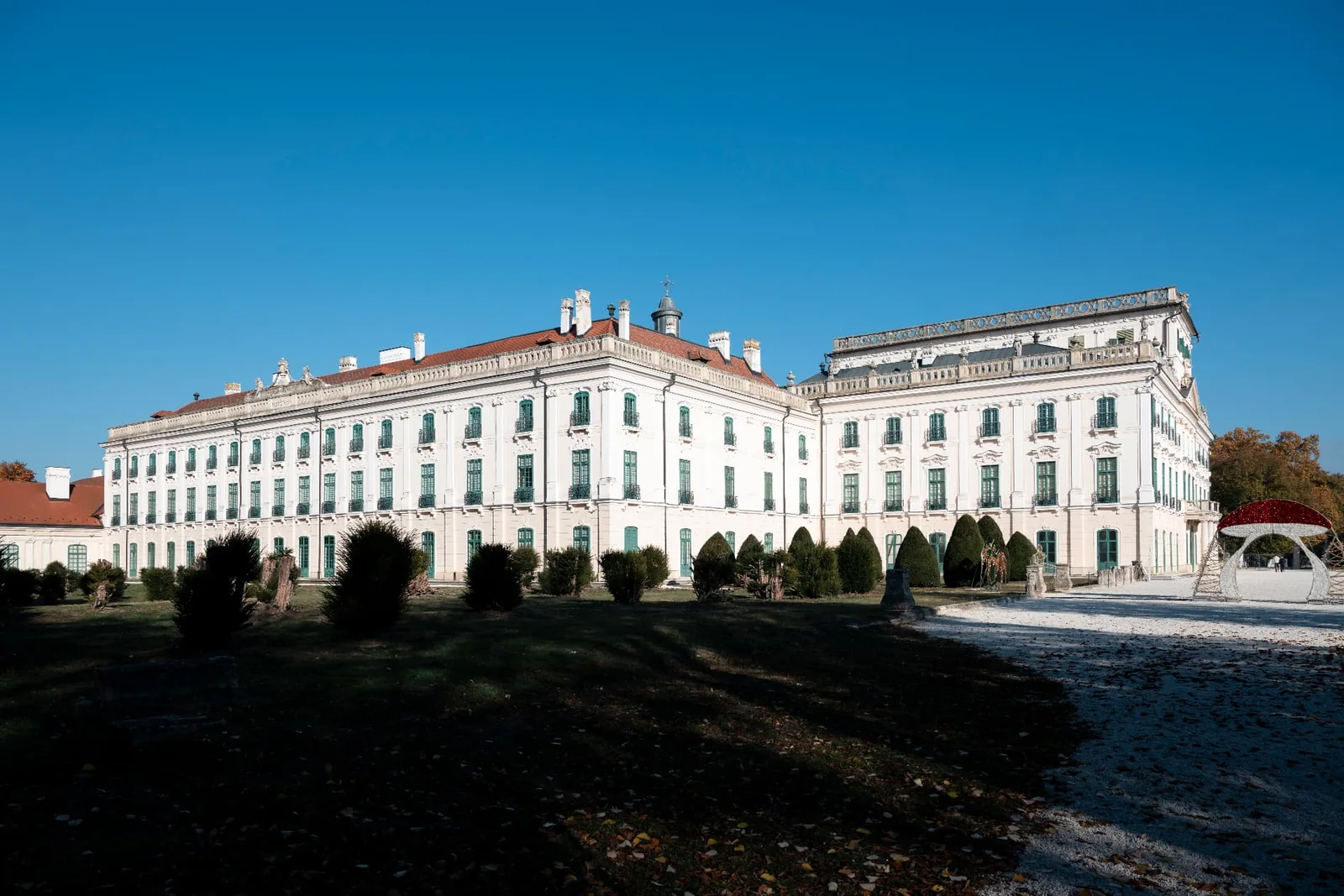
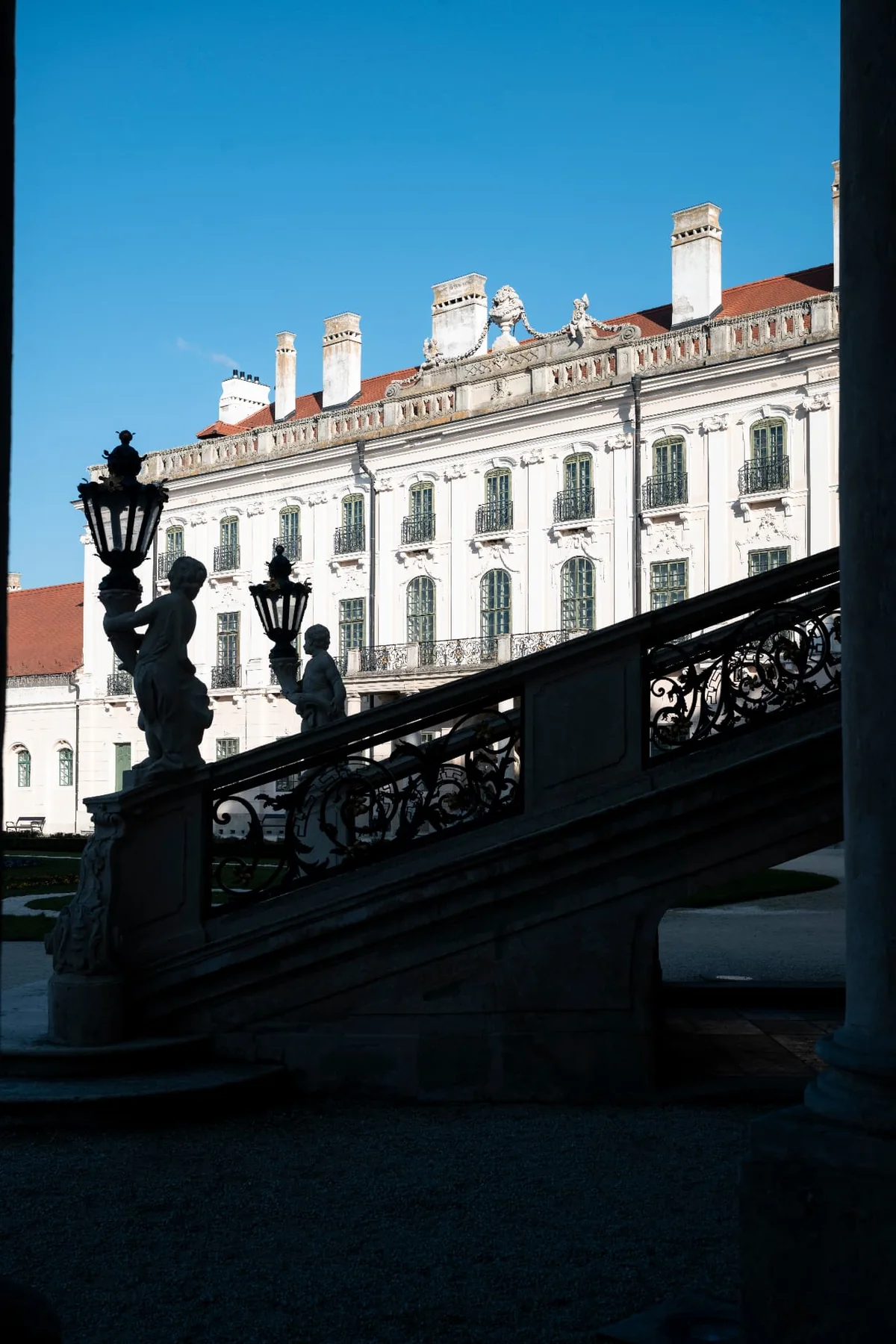
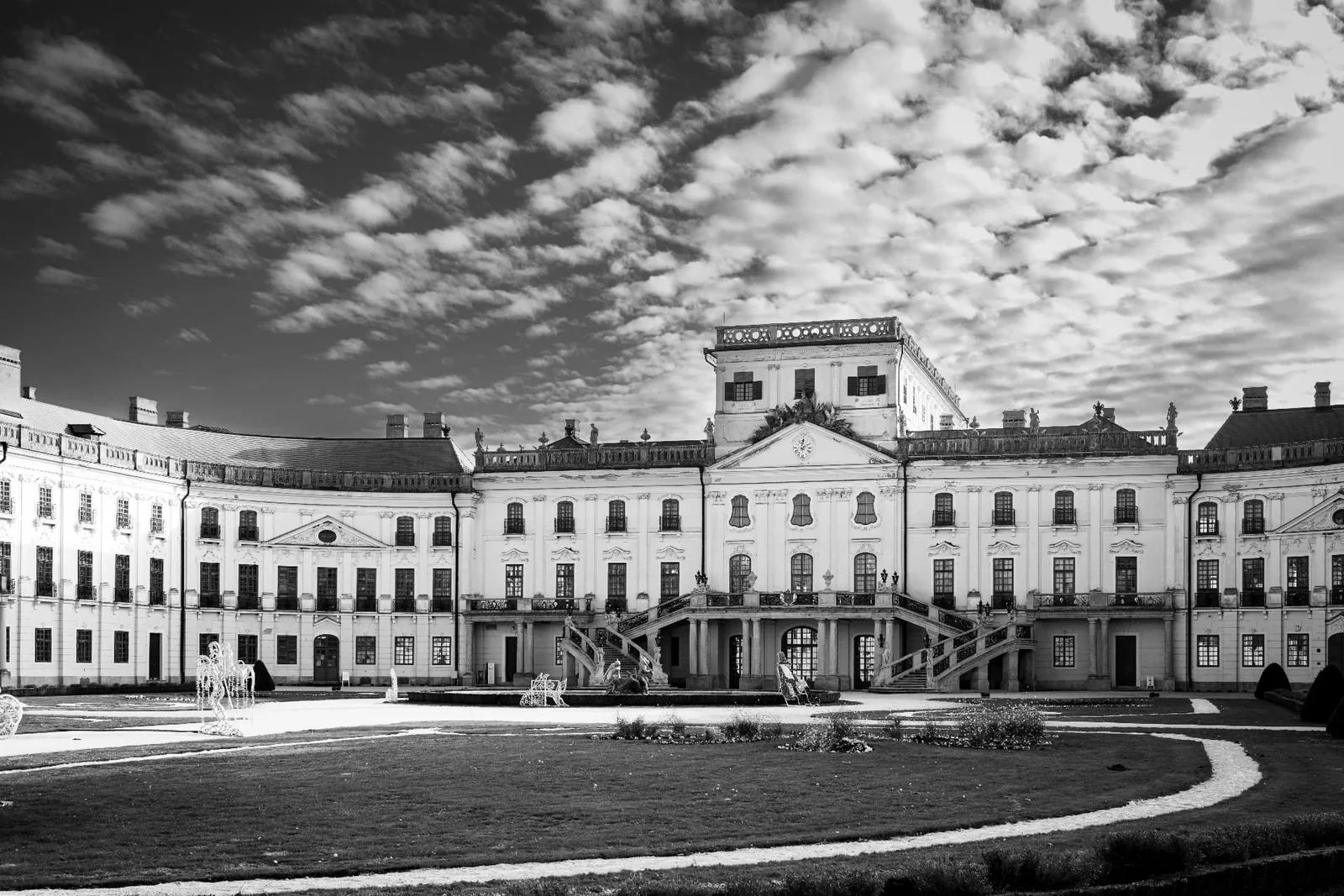
Near Lake Neusiedl, on the Hungarian side of the border, stands a residence whose scale makes an impression from the moment you arrive. The long façade, the sweeping staircases, the extensive park: Fertőd has the generosity of a place conceived on a grand scale.
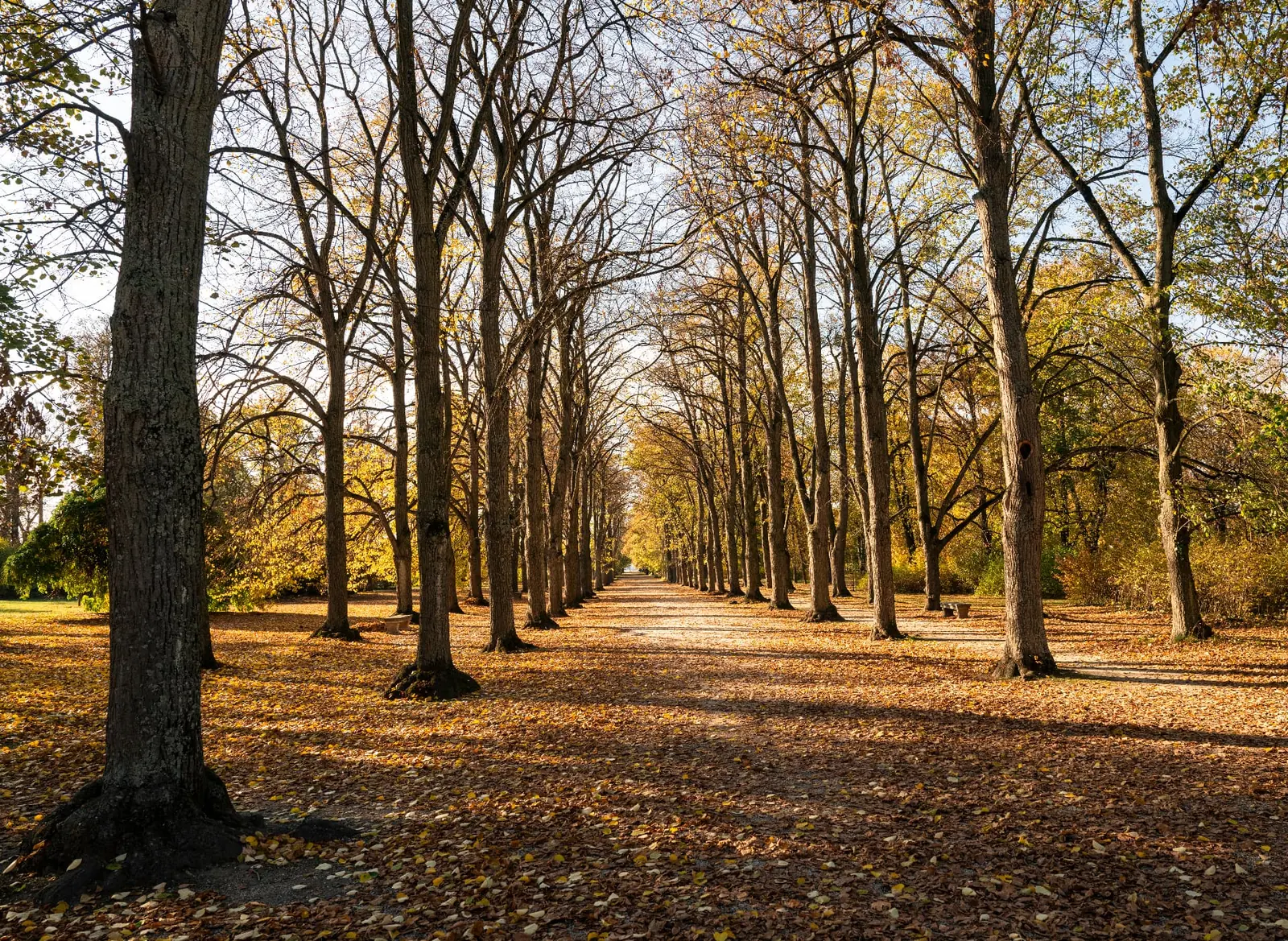
That day, everything shared the clarity of a sunny autumn afternoon. The trees still held their colour. The sun was already low.
A special time to discover this palace for the first time.
A Stage for the Arts
Eszterháza, as the palace is also known, flourished in the second half of the eighteenth century under Prince Nikolaus I Esterházy. Walking through its rooms, it is easy to understand his epithet, “the Magnificent”.
The residence was intended to rival the great European courts of its time. Architecture, interiors, gardens and an elaborate cultural life formed a single vision. Joseph Haydn lived and worked here. Operas, concerts and festivities shaped courtly life; Maria Theresa visited in 1773.
The comparison with Versailles comes naturally and gave the palace its familiar nickname: the “Hungarian Versailles”.
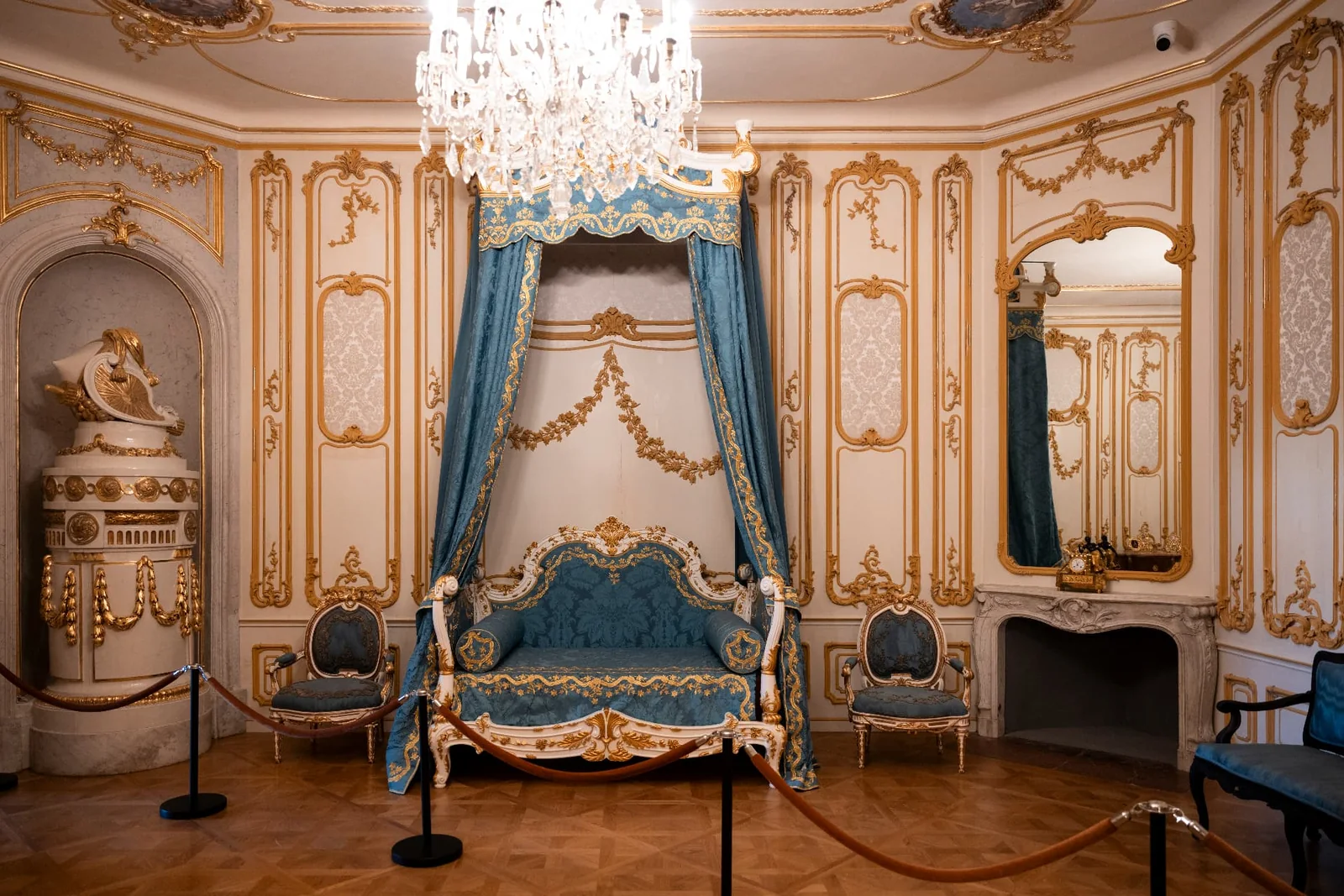
Yet Eszterháza deserves a visit on its own terms. It offers the chance to discover a place where art was part of everyday life for many years. Its rooms still tell that story.
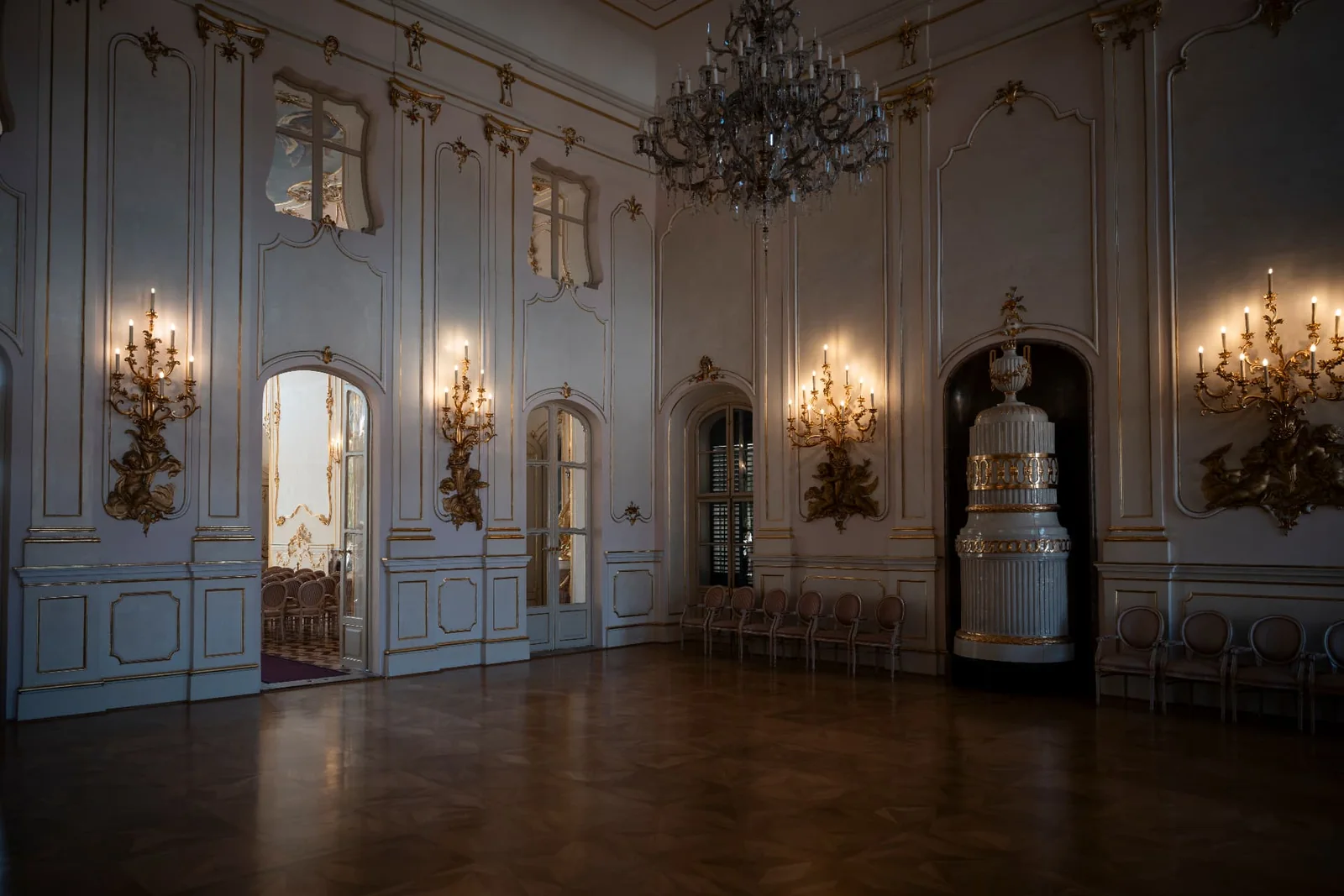
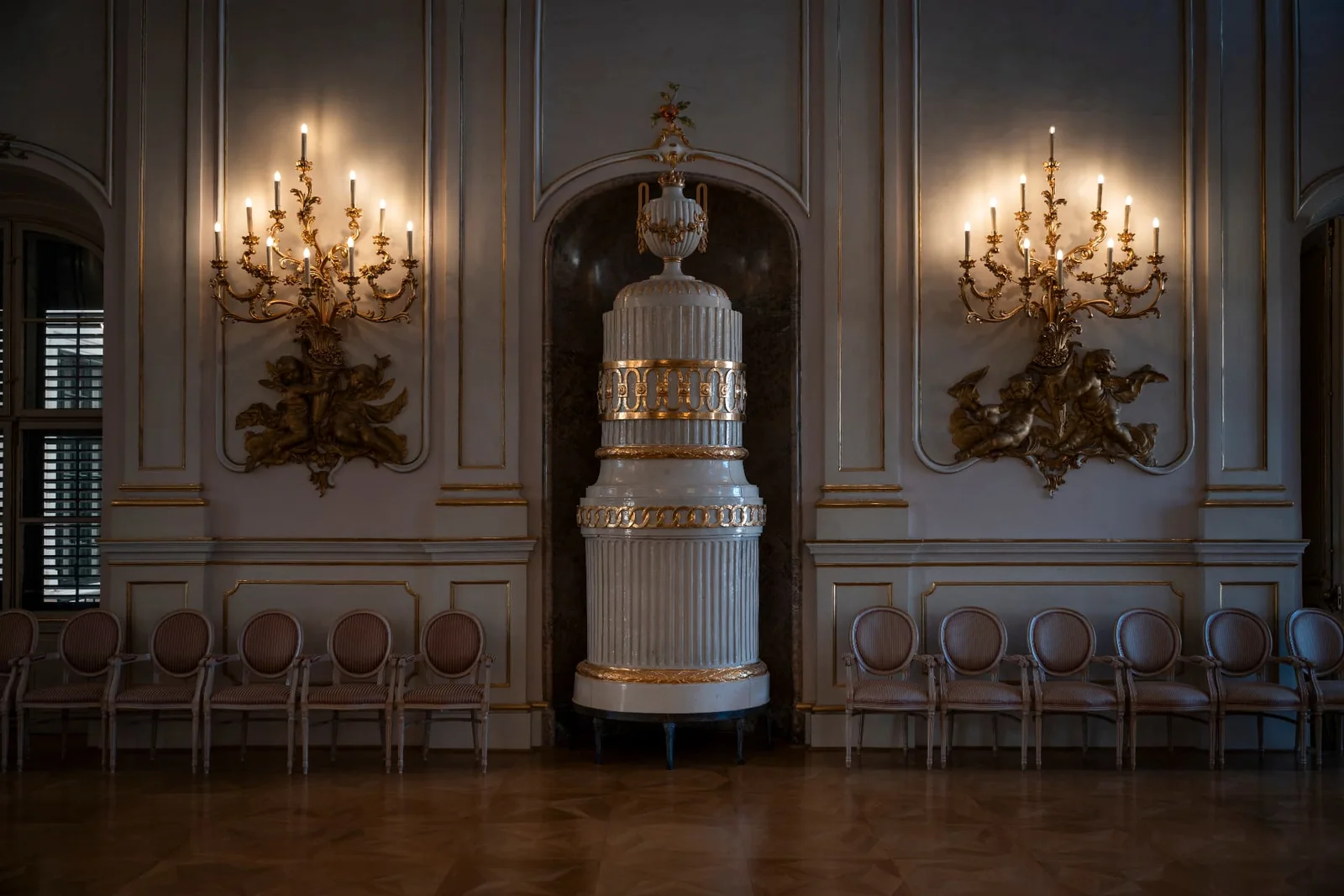
When Light Changes the Way We See
A palace guides our attention in many ways: the route through its rooms, the grand sightlines, the most precious objects. Much of it draws the eye almost instinctively.
Light follows no such hierarchy.
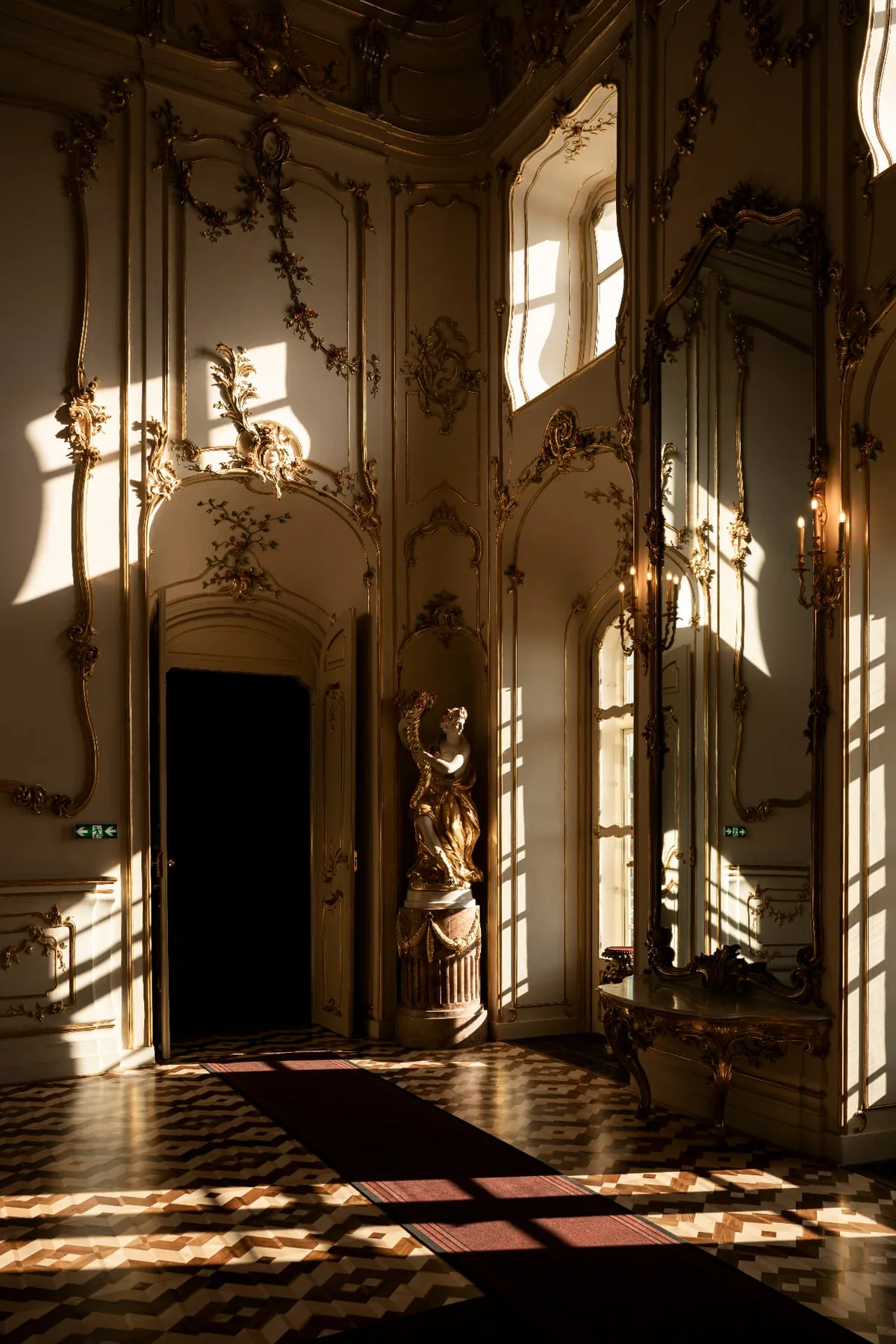
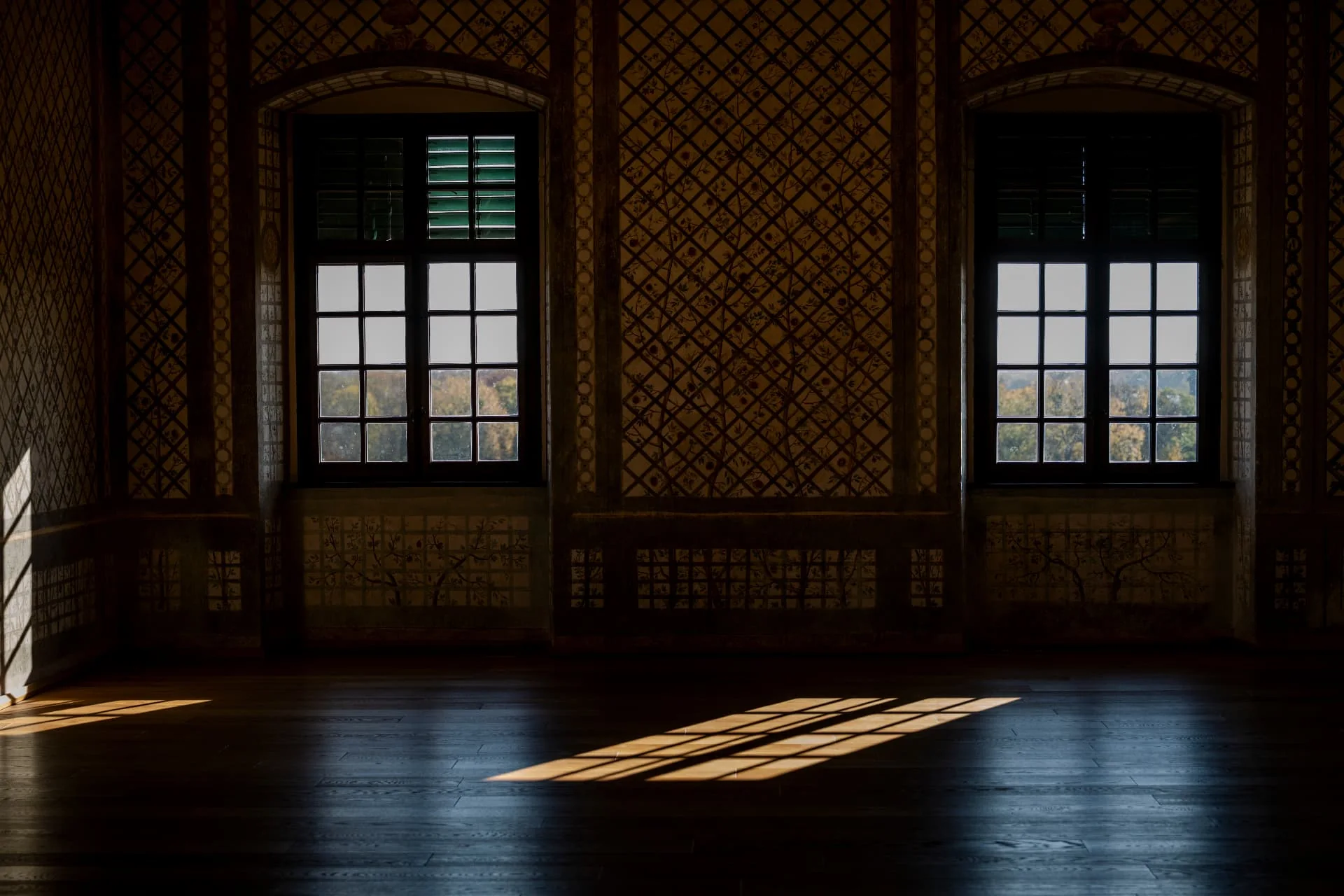
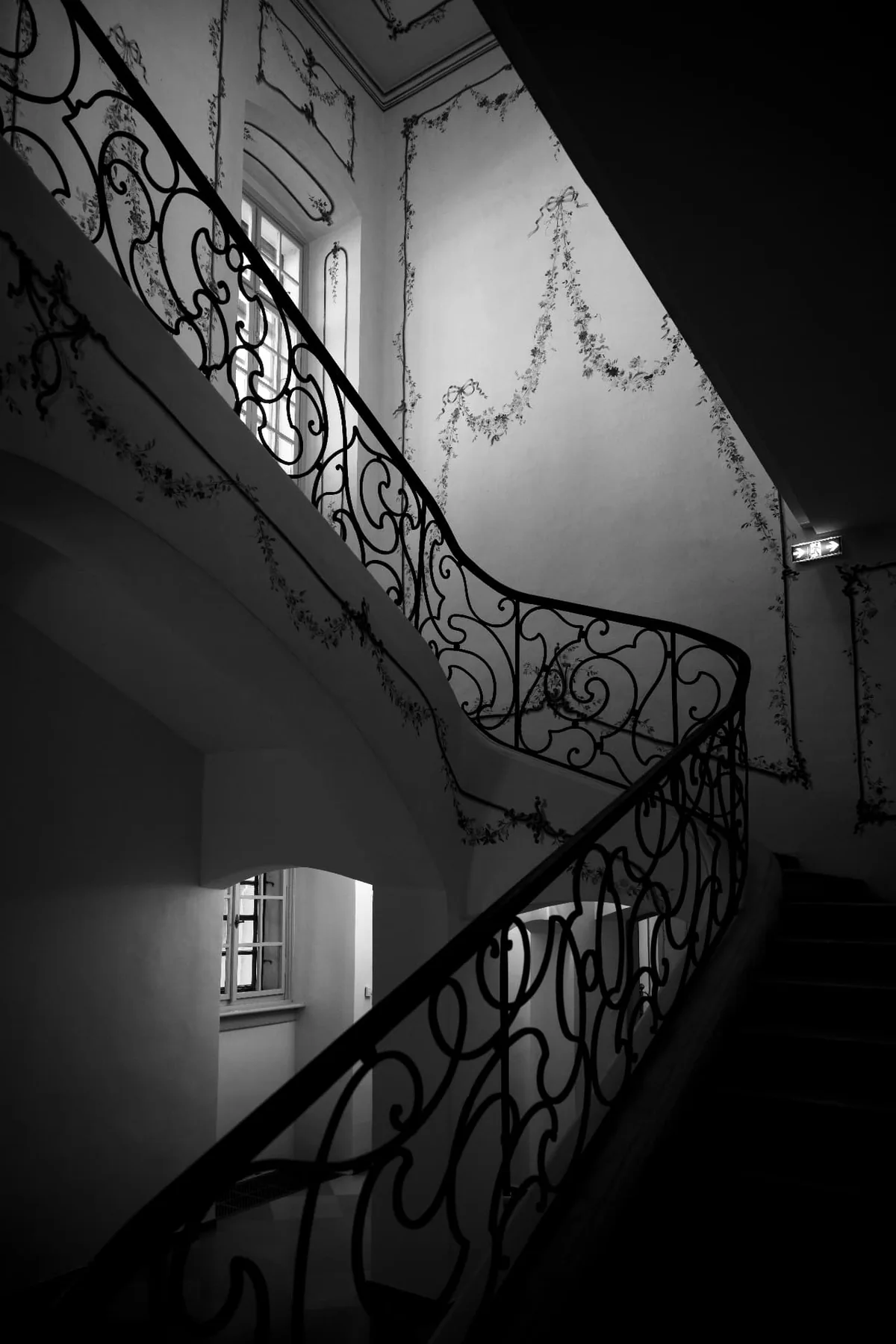
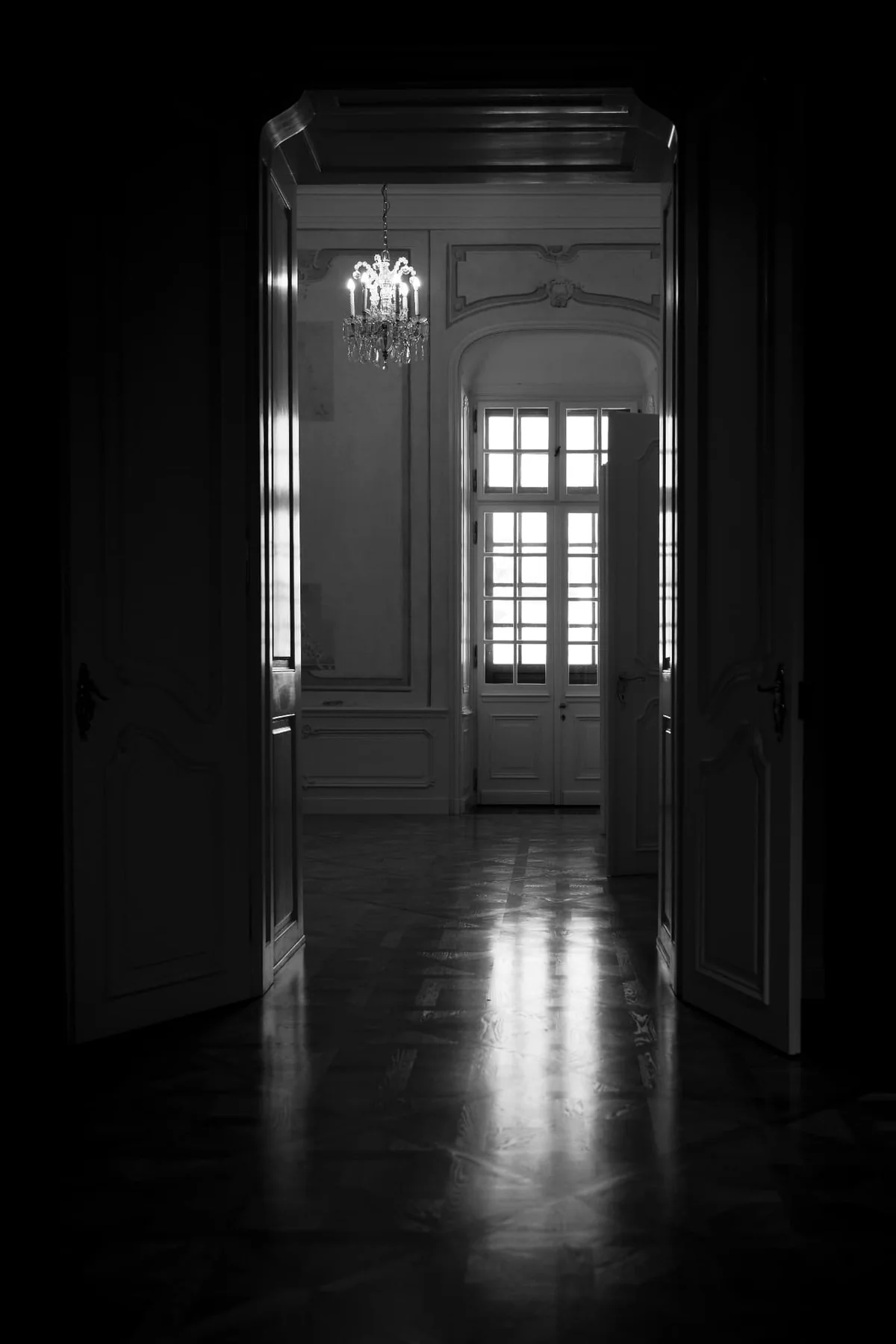
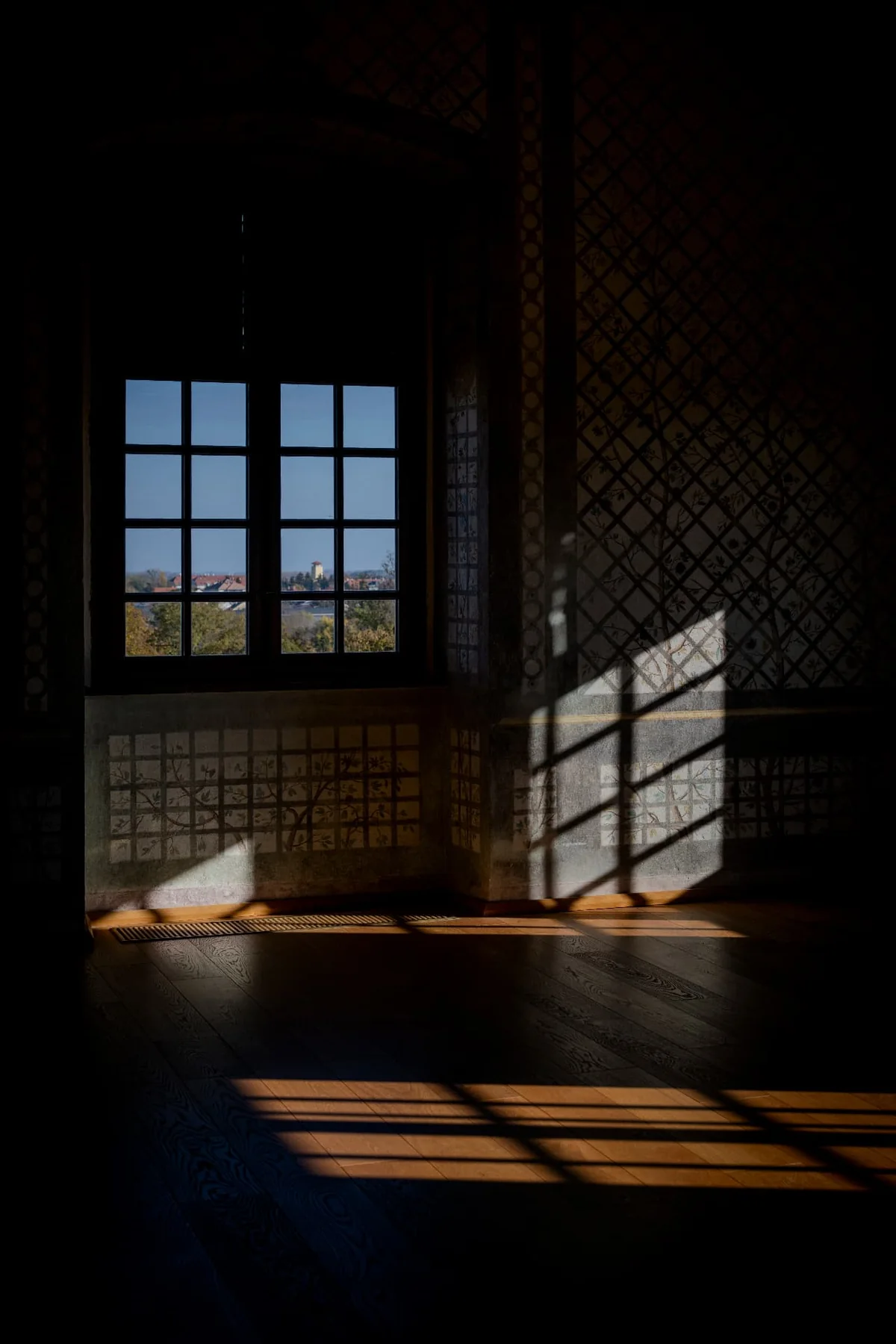
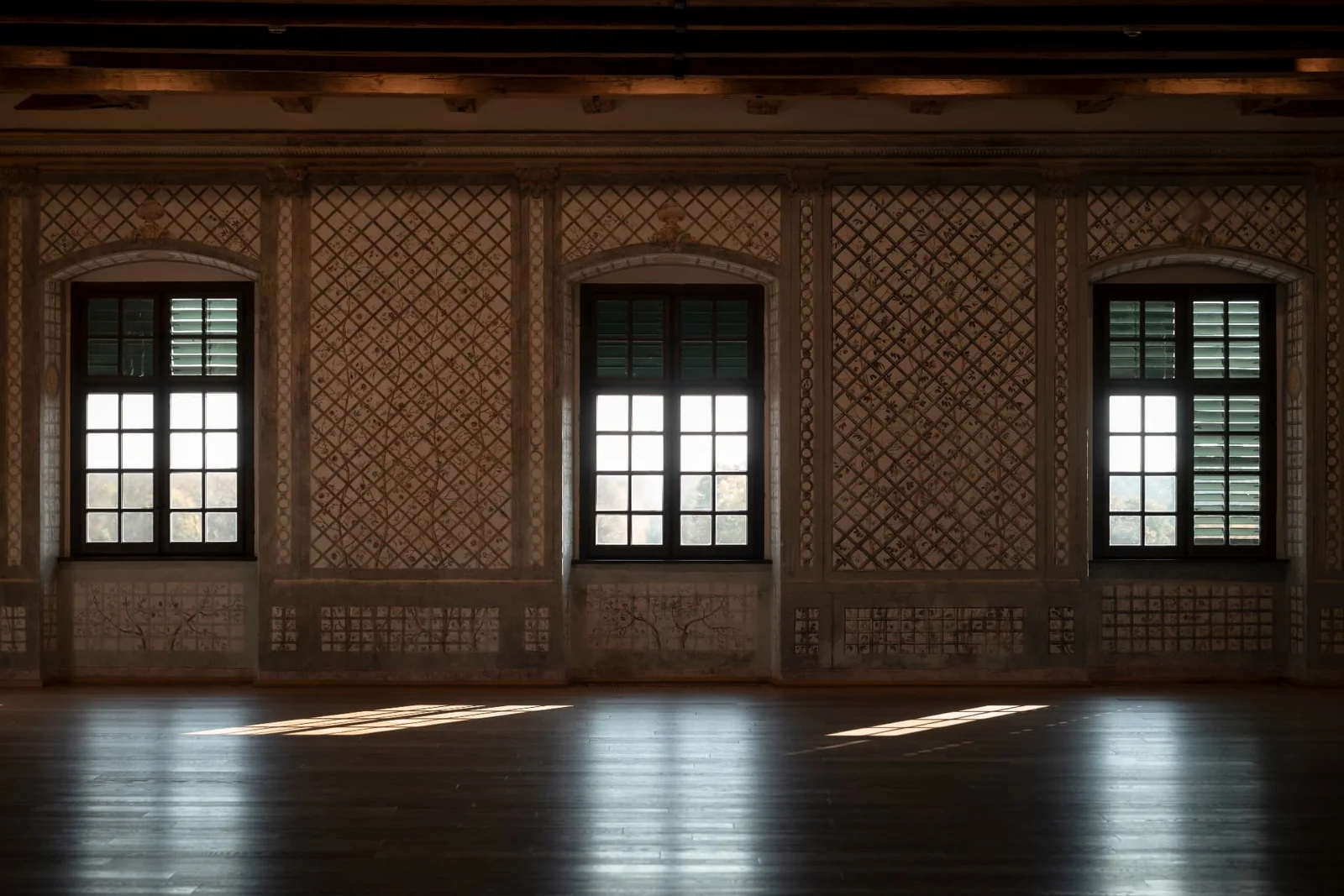
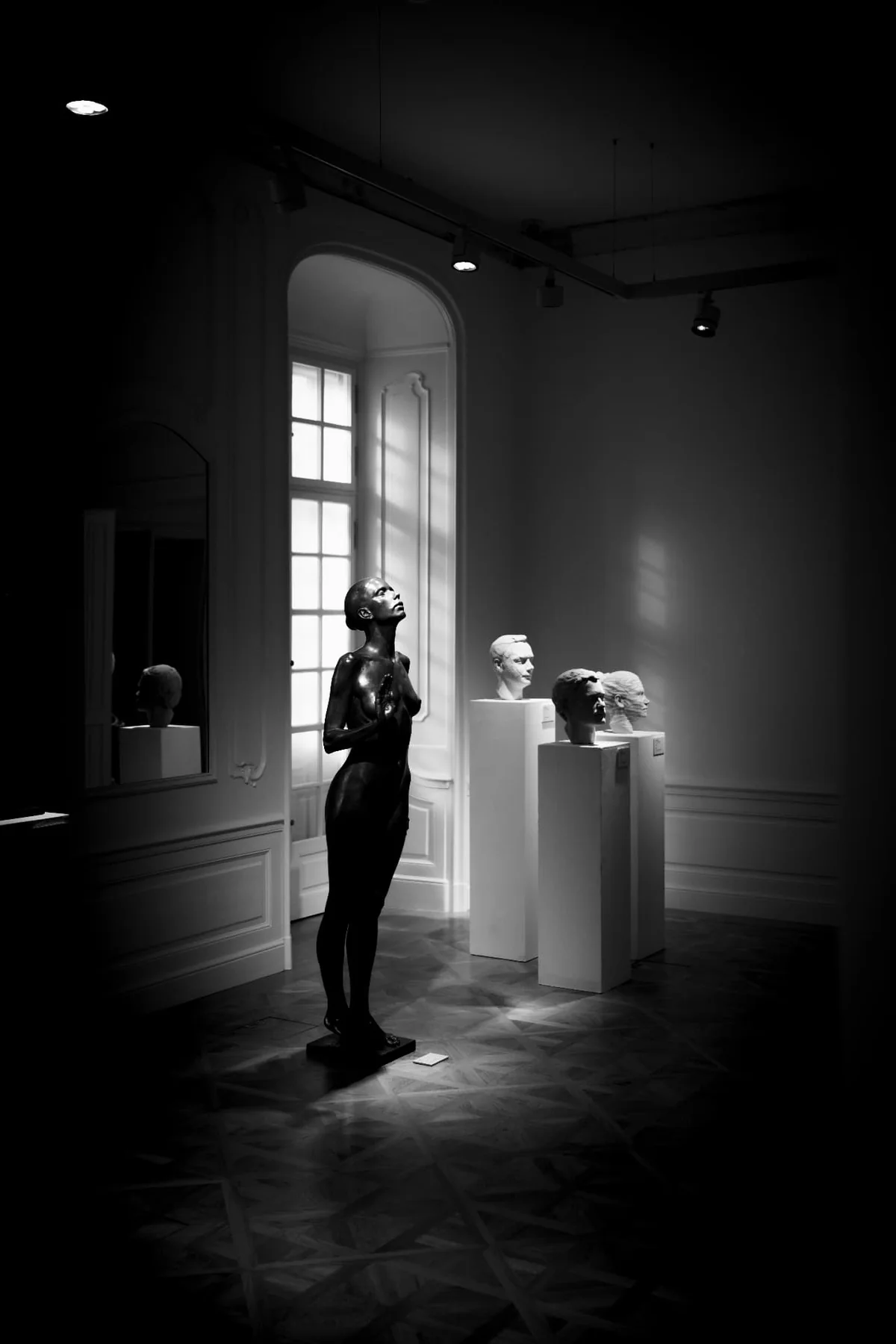
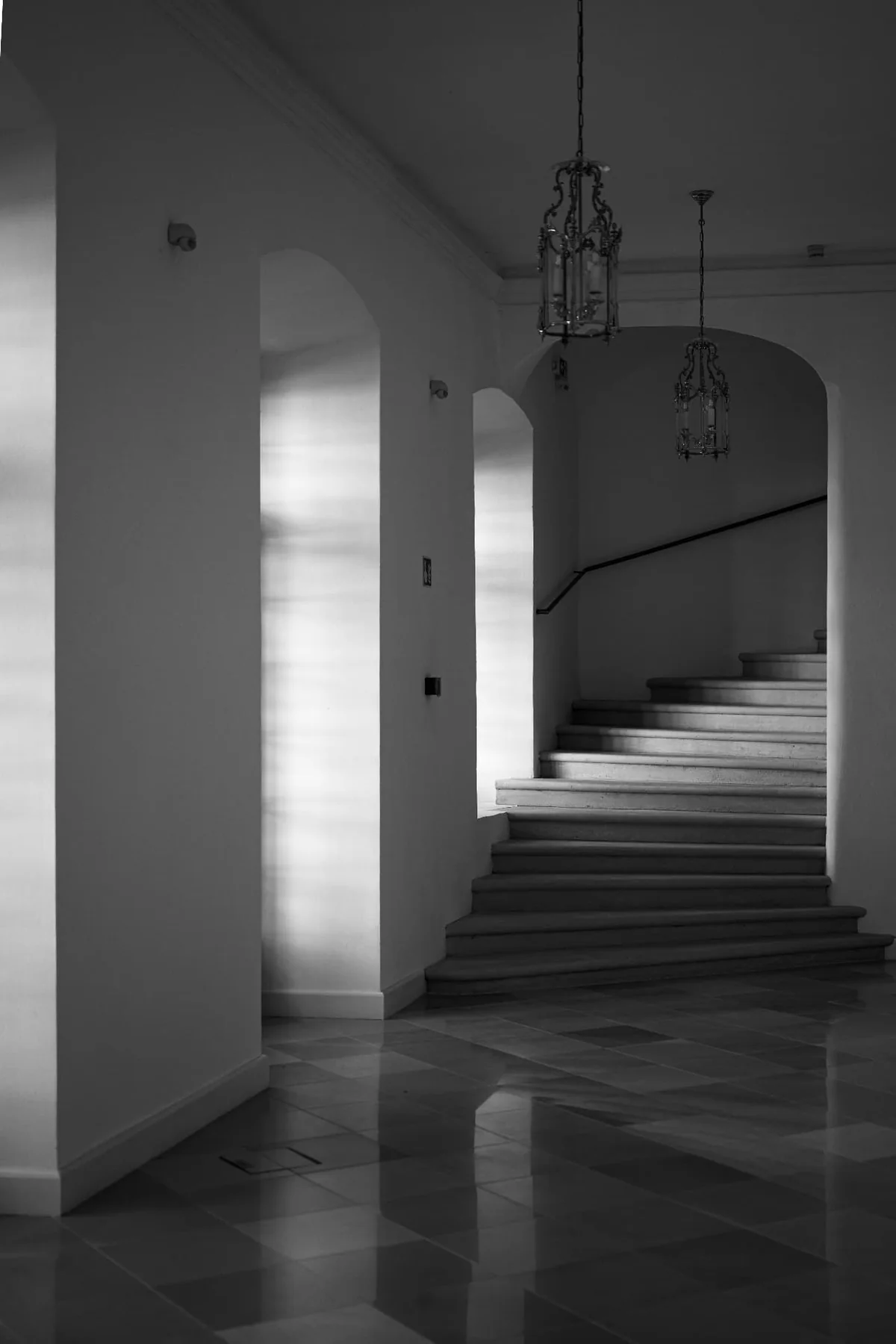
On this November day, the low sun reached far through the tall windows. For a while, a shadow on the parquet could command as much attention as an intricately crafted piece of furniture. A doorway gained depth. A familiar architectural detail became surprising from another angle.
For me, this is one of photography’s particular pleasures: a place holds countless possible images. Which ones emerge depends on how we look.
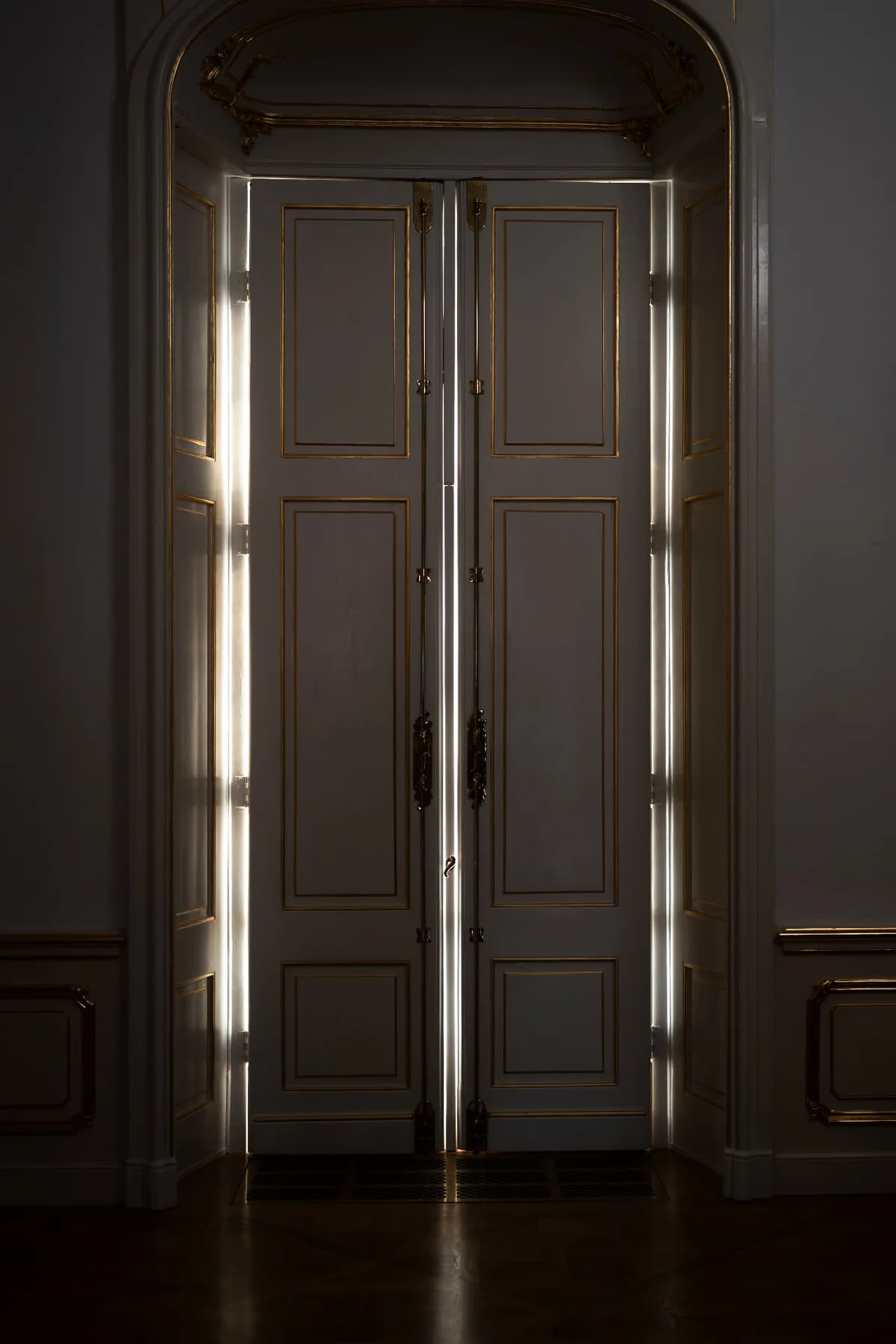
The photographs from this visit therefore also follow the quieter impressions between the grand views. Colour preserves the warmth of the rooms and the richness of autumn. Black and white brings forms and spatial relationships into sharper focus. Together, they offer different ways into the same place.
Perhaps that is what makes you want to walk through these rooms yourself. No photograph can replace your own discovery. At another time of day, in different weather or just a few steps further along, a new perspective is already waiting.
Beauty That Leaves Questions Open
The temporary exhibition “Porból lettünk…”, featuring sculptures from the collection of the Kovács Gábor Art Foundation – KOGART, also revealed how much perception can change.
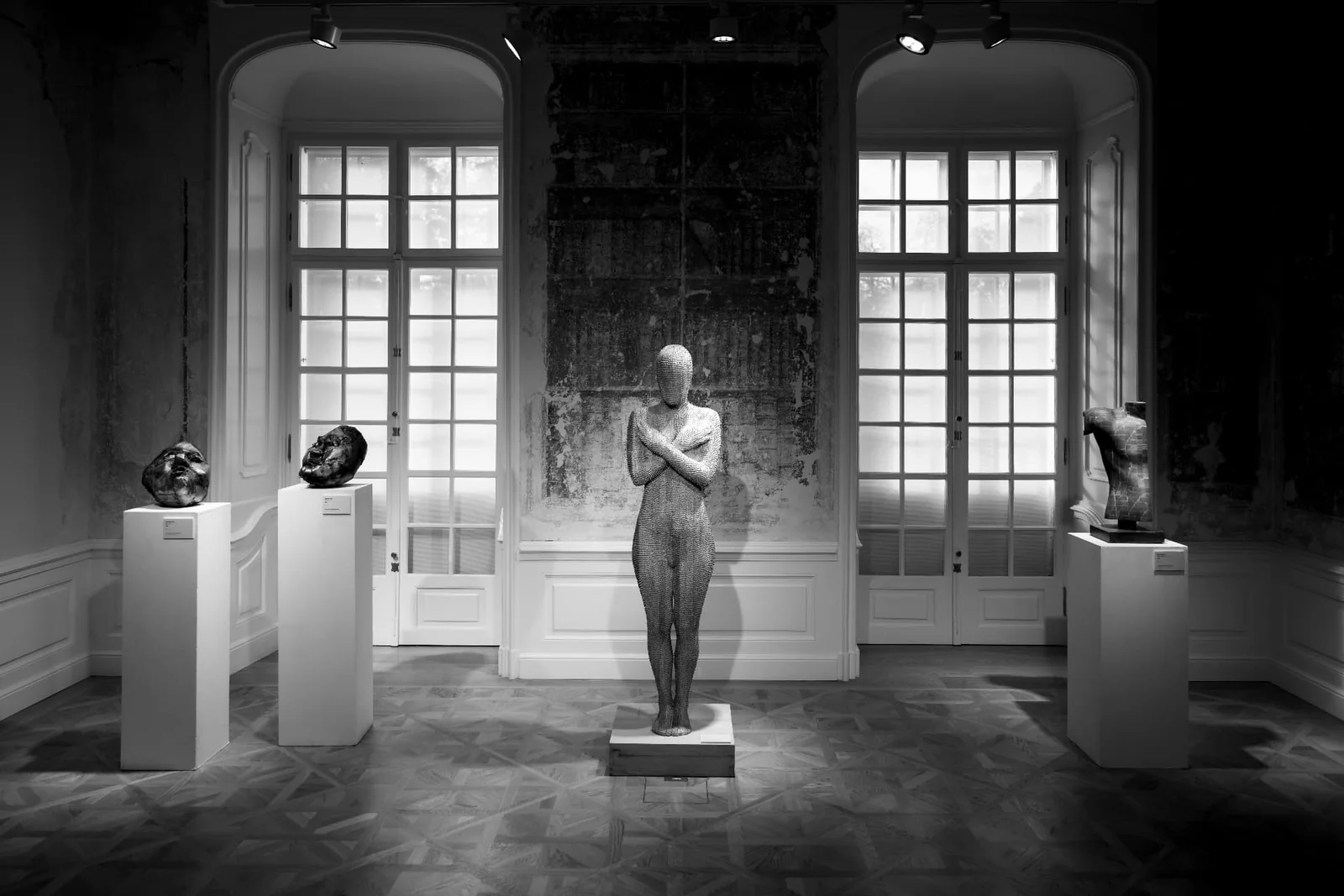
Gábor Fülöp · Anima · 2009 · Kovács Gábor Art Foundation
Modern art in historic rooms creates distinctive encounters. Relationships develop between the works and their surroundings that would feel different in a neutral exhibition space. Historic treasures acquire new neighbours. The present moves in, bringing questions of its own.
One of these encounters remained particularly vivid: Antal Pázmándi’s “Dummy in pink”, created in 1982.
The pink colouring and floral pattern have an immediately appealing beauty. The gas mask changes that first response. What seemed delicate and inviting takes on an unsettling vulnerability.
That contrast gave me pause. The beautiful colours remained beautiful. The unease remained too.
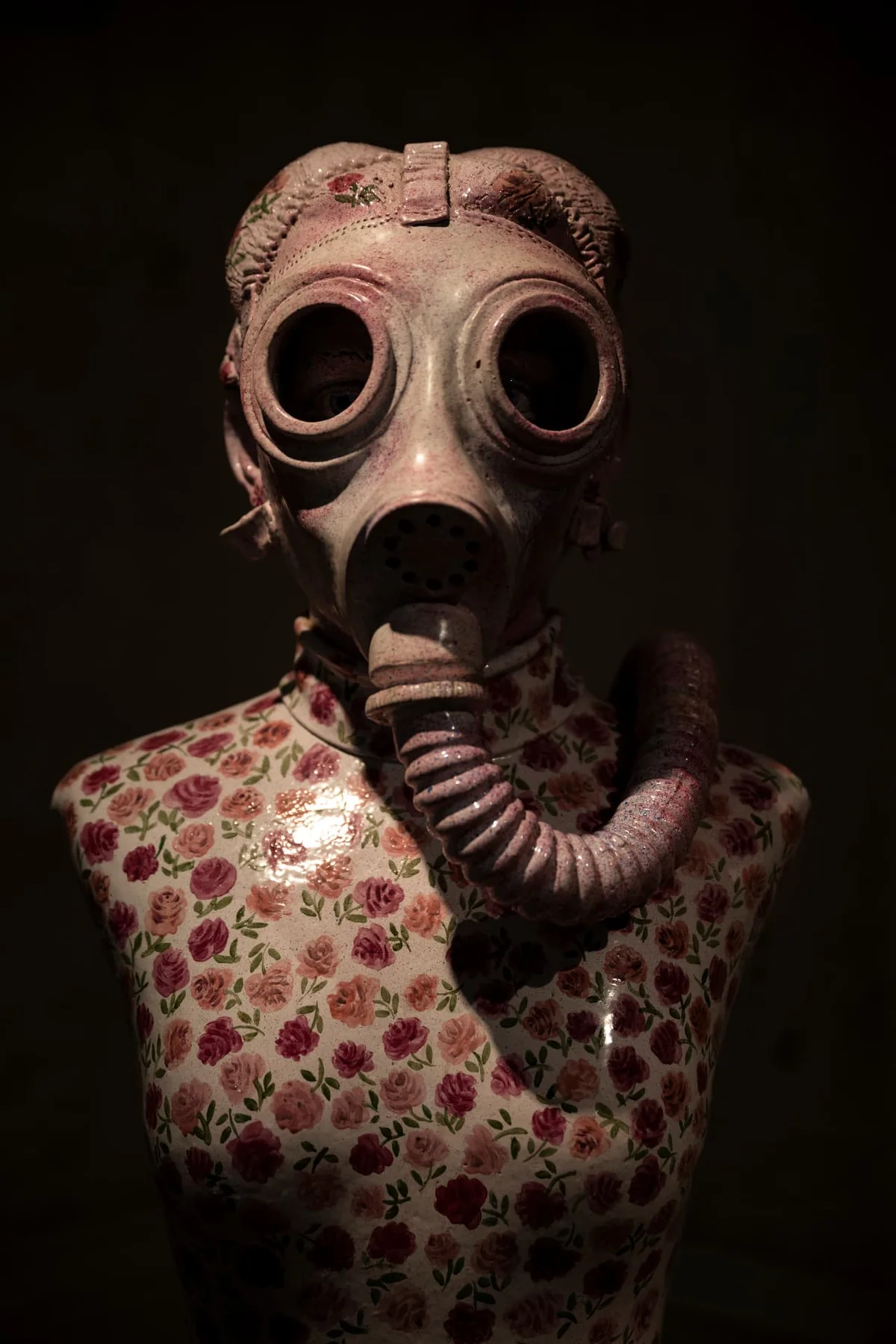
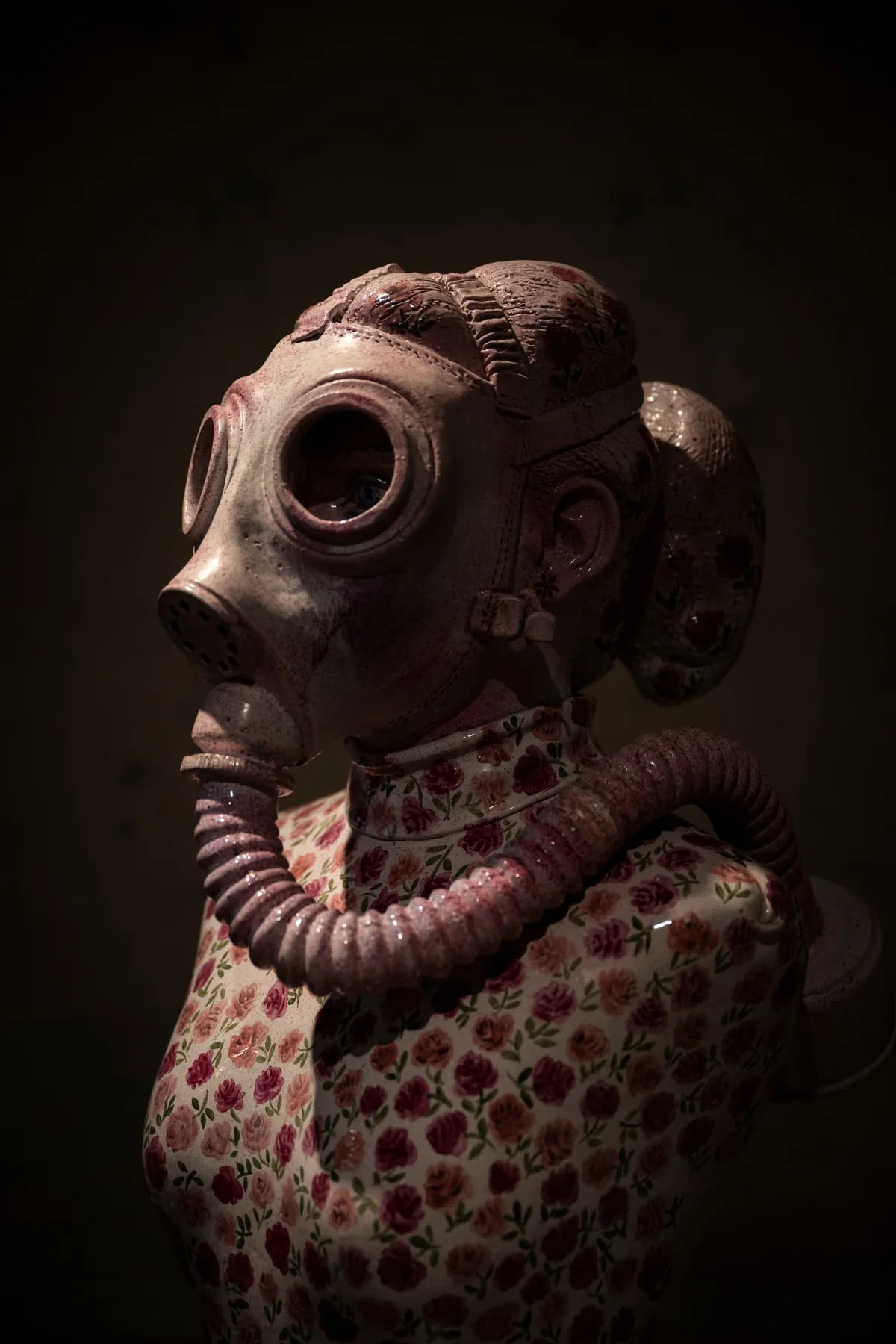
Antal Pázmándi · Dummy in pink · 1982 · Kovács Gábor Art Foundation
This is precisely the strength of an exhibition like this. Amid the splendour of past centuries, there is room for a work that resists an easy, pleasing impression. The visit takes on another depth.
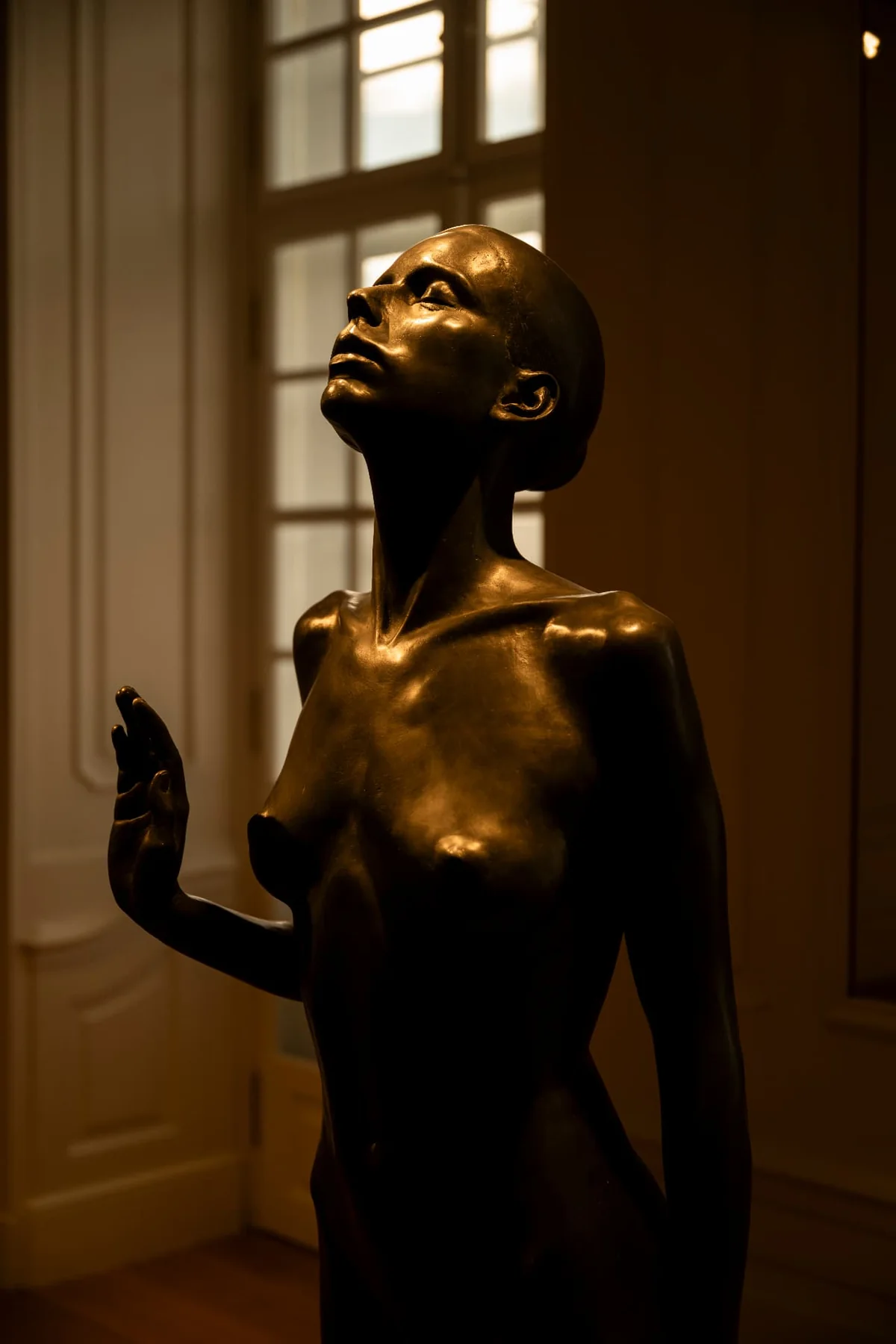
Photography also becomes part of the encounter. Framing, light and perspective create another view of the artwork. A personal approach that leaves room for others to discover something of their own.
A Good Reason to Visit Fertőd
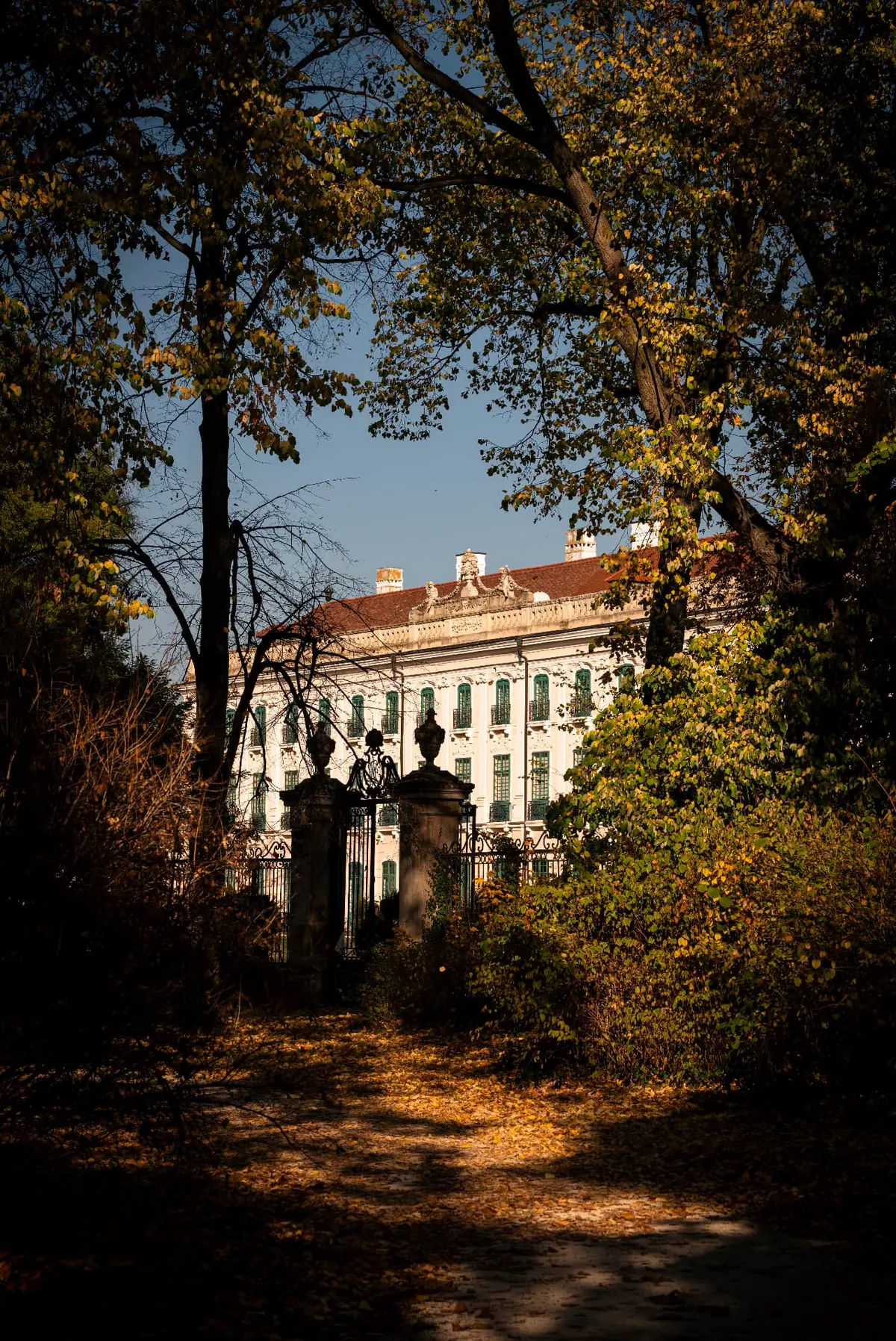
After the interiors and the exhibition, the route leads back into the park. Between the trees, the palace appears from further away, partly concealed by autumn foliage. The long avenues invite you to walk a little further.
For a day trip from Vienna or a stay around Lake Neusiedl, Fertőd is a wonderful destination. The journey is manageable; the visit itself deserves a little more time.
Time for history and art. For a walk. And for those small detours that happen when something at the edge catches your attention.
Anyone who enjoys photography will find plenty of opportunities to explore different perspectives. Those who leave the camera at home can make the same discovery: a landmark changes when you allow your gaze to linger.
And Perhaps a New Story Begins Here
You can also get married at Esterházy Palace. Its historic rooms and gardens offer an exceptional setting for a destination wedding – remarkably close to Vienna.
After this visit, the scene is easy to imagine: a couple, a little time away from the celebrations, sunlight at the windows. Eszterháza has so much of what makes moments like these special.
Inspired to discover Fertőd for yourself? The palace’s official website has the information you need to plan your visit.
And if the idea of a day trip has already become a wedding thought: I would love to hear about your plans.
Planning Your Visit
Esterházy Palace · Fertőd
Joseph Haydn út 2 · 9431 Fertőd · Hungary
On my visit, the drive from Vienna took a little over an hour. For current opening hours, guided tours, admission prices and exhibitions, visit eszterhaza.hu.
Find further inspiration on Instagram · @esterhazykastelyfertod, Facebook · @fertod.esterhazykastely and TikTok · @esterhazykastely.
Thanks & Artworks
Warm thanks to the team at Esterházy Palace in Fertőd, and especially to Anett Buzonics, for their kind support, information about the exhibited works and permission to publish these photographs.
Photography: Peter Scholz · SCHOPHO
Featured works from the collection of the Kovács Gábor Art Foundation:
- Gábor Fülöp · Anima, 2009, beech.
- Antal Pázmándi · Próbababa rózsaszínben (Három grácia) / Dummy in pink, 1982, painted terracotta.
- Imre Elek · Női akt / Female Nude, 2004, lead and steel.