The first ideas behind this series did not come from a moodboard. They came from a long-standing fascination with classical studio portraiture — and in particular with the portraits of Marlene Dietrich. Many of those images still feel quietly modern decades later. Not because of elaborate sets or theatrical staging, but because of their clarity. Light, shadow, posture and presence are often enough to make a portrait timeless.
The studio photography of the 1930s and 1940s worked with a discipline that has almost been lost today. Light was not used simply to make a face visible. It was used to shape character. Shadows were never accidental. Every reflection carried meaning. Even darkness was composed.
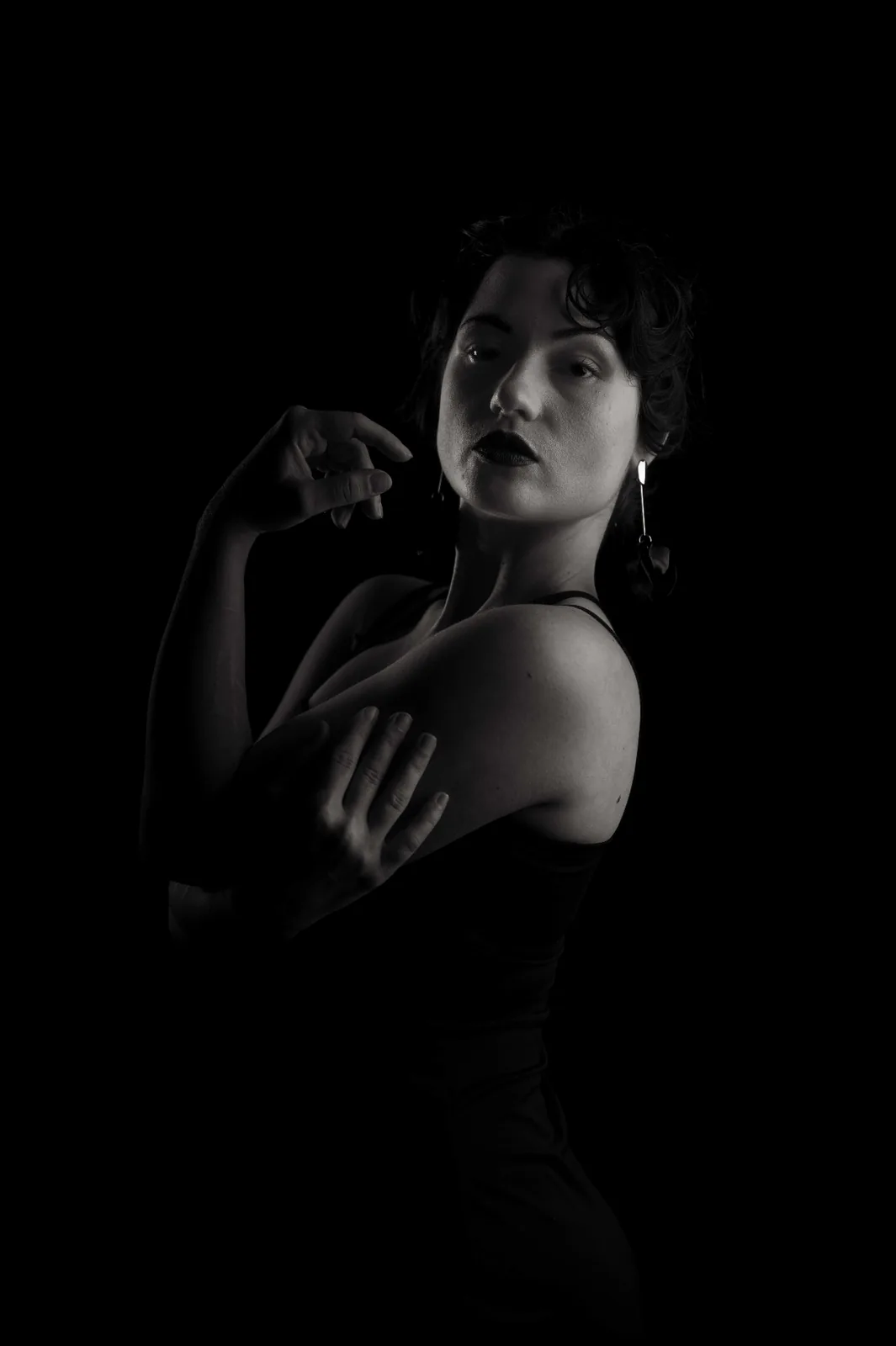
That single thought became the starting point for Monochrome Presence.
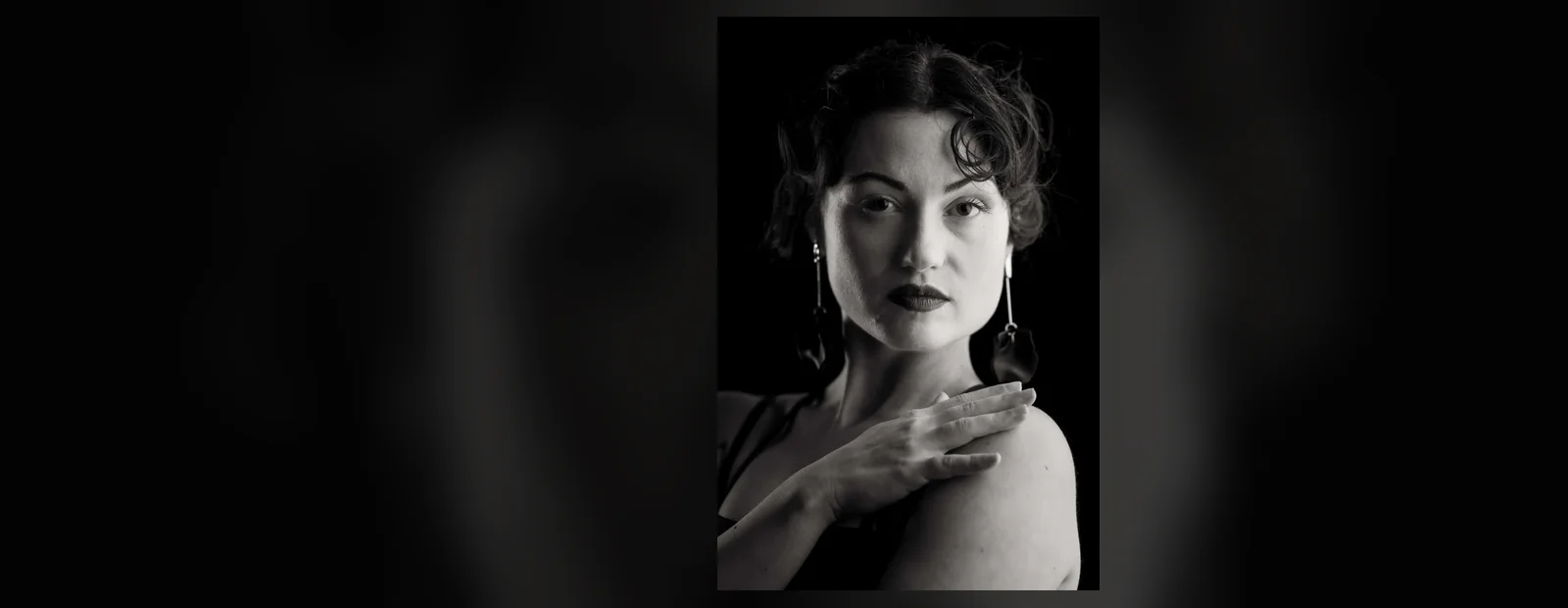
The series was photographed entirely in the studio and evolved step by step during the shoot itself. What had been planned as something considerably more dramatic became increasingly reduced as the day progressed. Props disappeared. Contrast softened. Instead of obvious staging, expression, stillness and controlled light moved into the foreground.
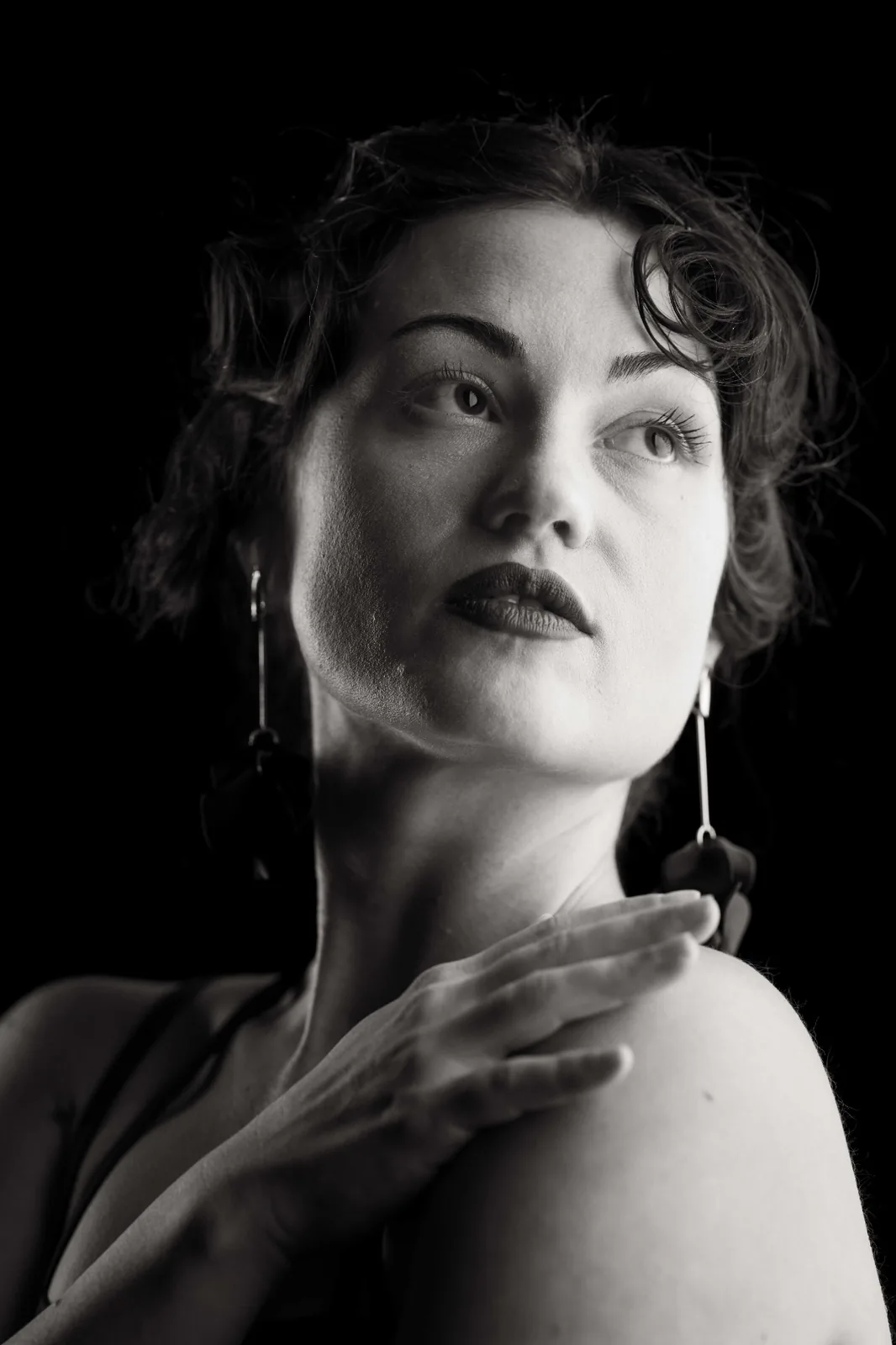
Black and white made this process uncompromising. Without colour, only the essentials remain: skin, structure, gaze, form and light. Every small change in the lighting setup immediately transforms the impact of a portrait. For that reason the series was photographed with very controlled light sources — large, soft modifiers, open shadows and deliberately restrained highlights. The intention was never a hard film-noir look or nostalgic retro aesthetic. The far more interesting question was how timeless monochrome portrait photography can feel today, without becoming a copy of past decades.
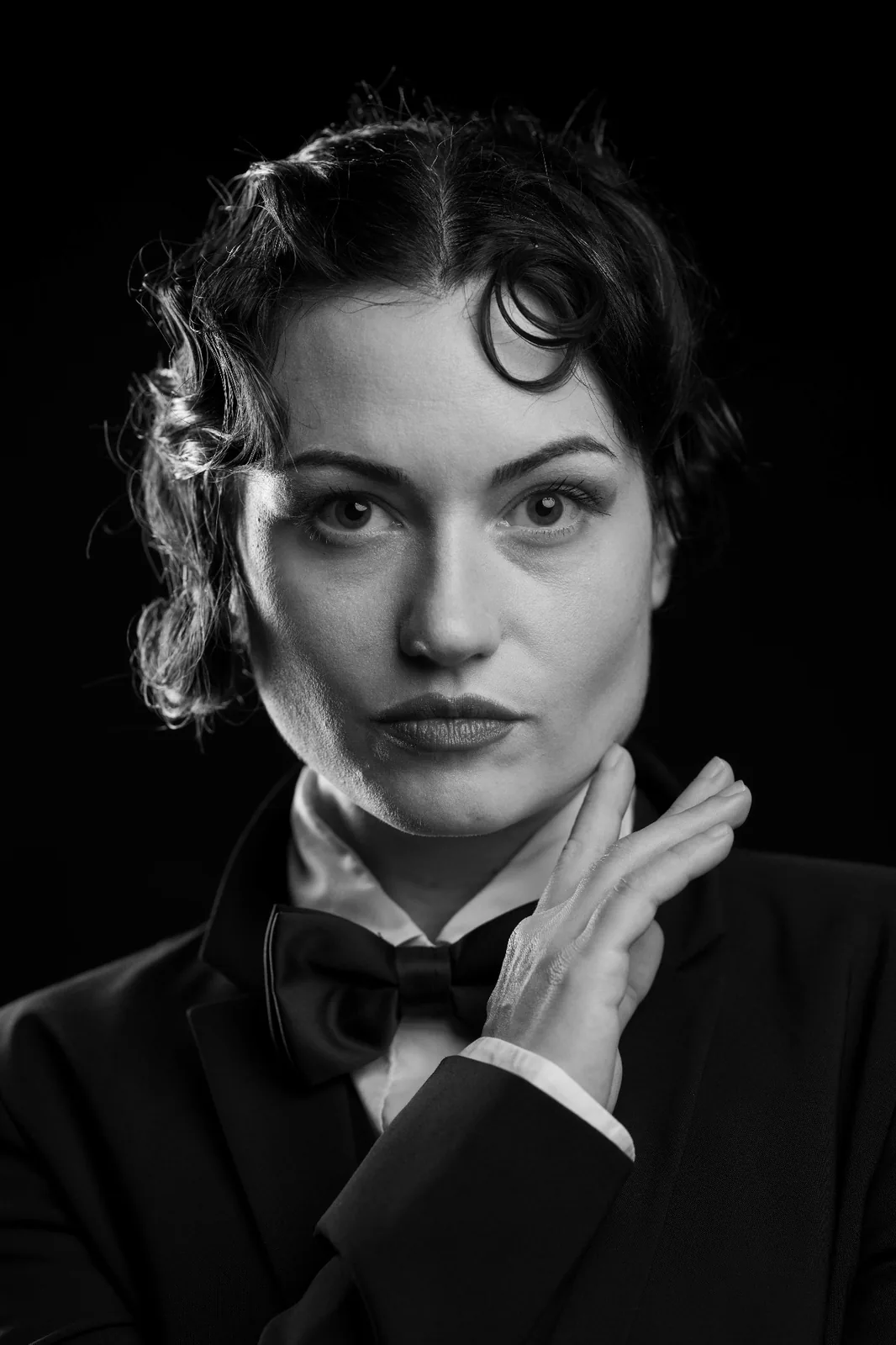
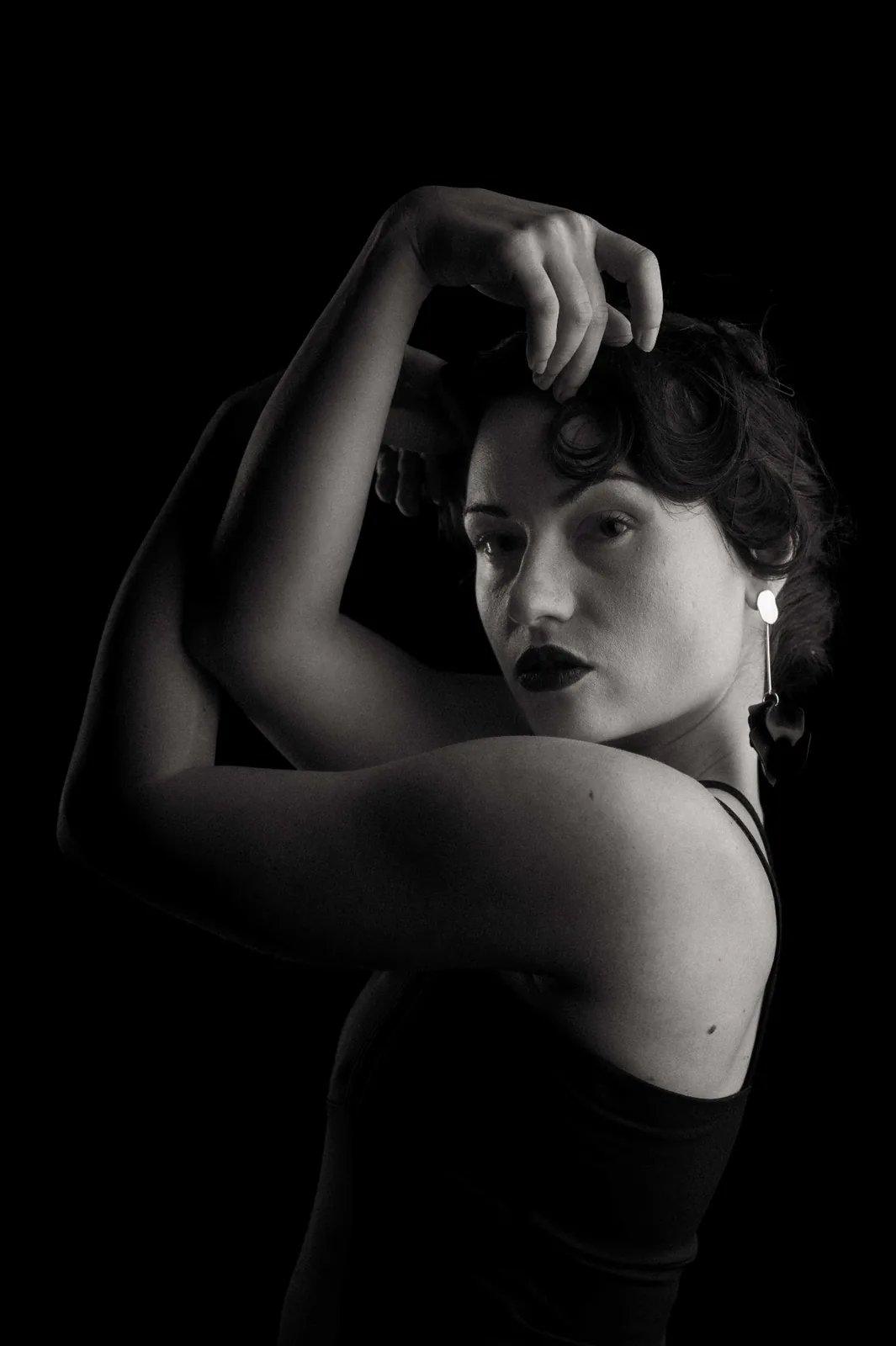
Much of contemporary portraiture tries to claim attention through volume — strong colour, extreme contrast, constant motion. This series moved deliberately in the opposite direction. The strongest images were often the moments between the actual poses. Seconds in which tension and stillness became visible at the same time. Not performative. Not theatrical. Reduced and controlled.
Model @tralalafer brought exactly this quiet form of presence into the series. Many of the portraits work less through classical fashion poses than through gaze, posture and minimal movement. It is precisely this restraint that created the timeless quality that had originally inspired the entire shoot.
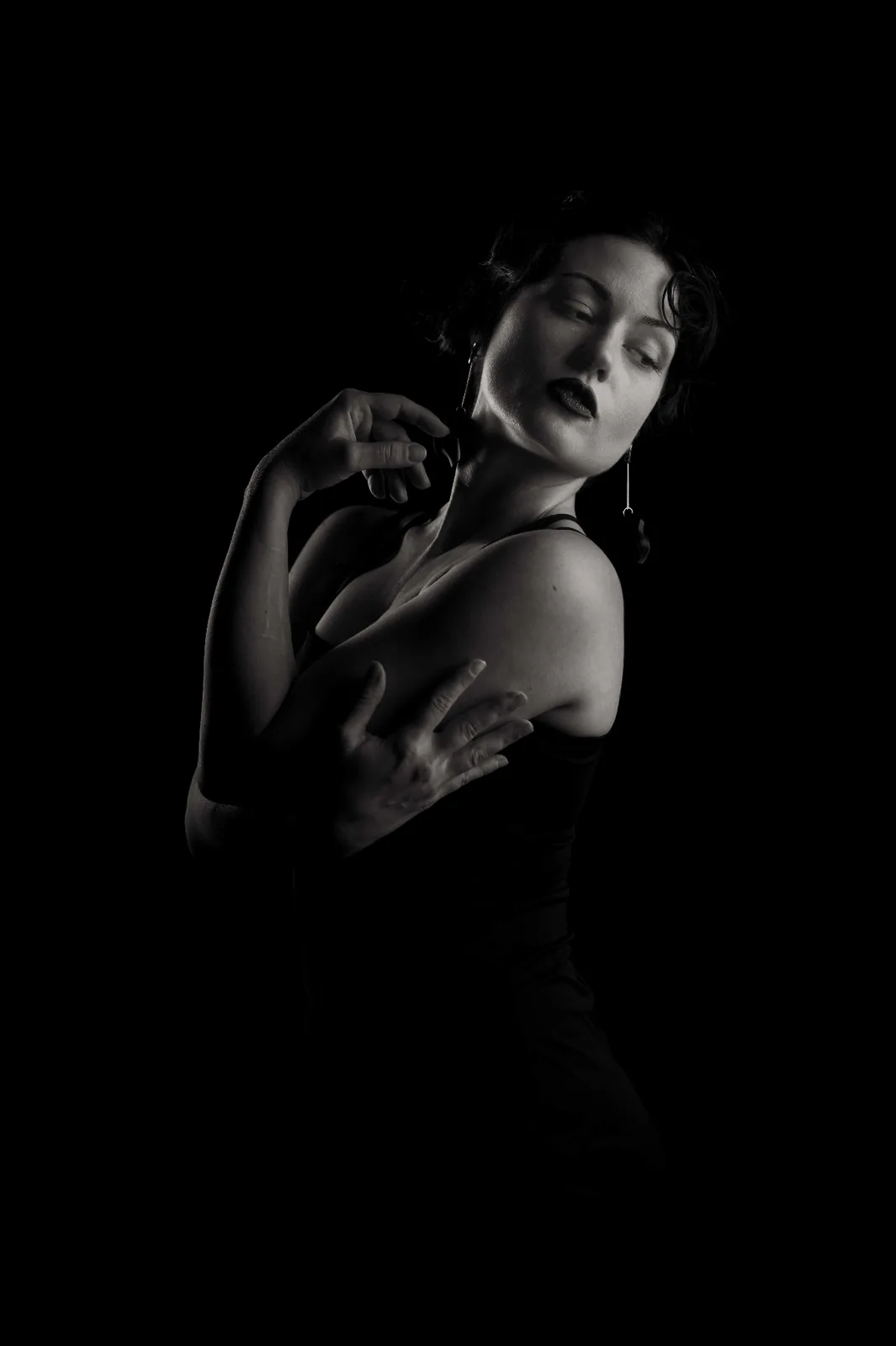
Equally essential was the work of @makeupbyasquina. The makeup remained deliberately restrained and supported light, skin and atmosphere above all else. Instead of polished high-gloss perfection, the focus was on naturalness, depth and a modern monochrome elegance that flows seamlessly into the visual language of the series.
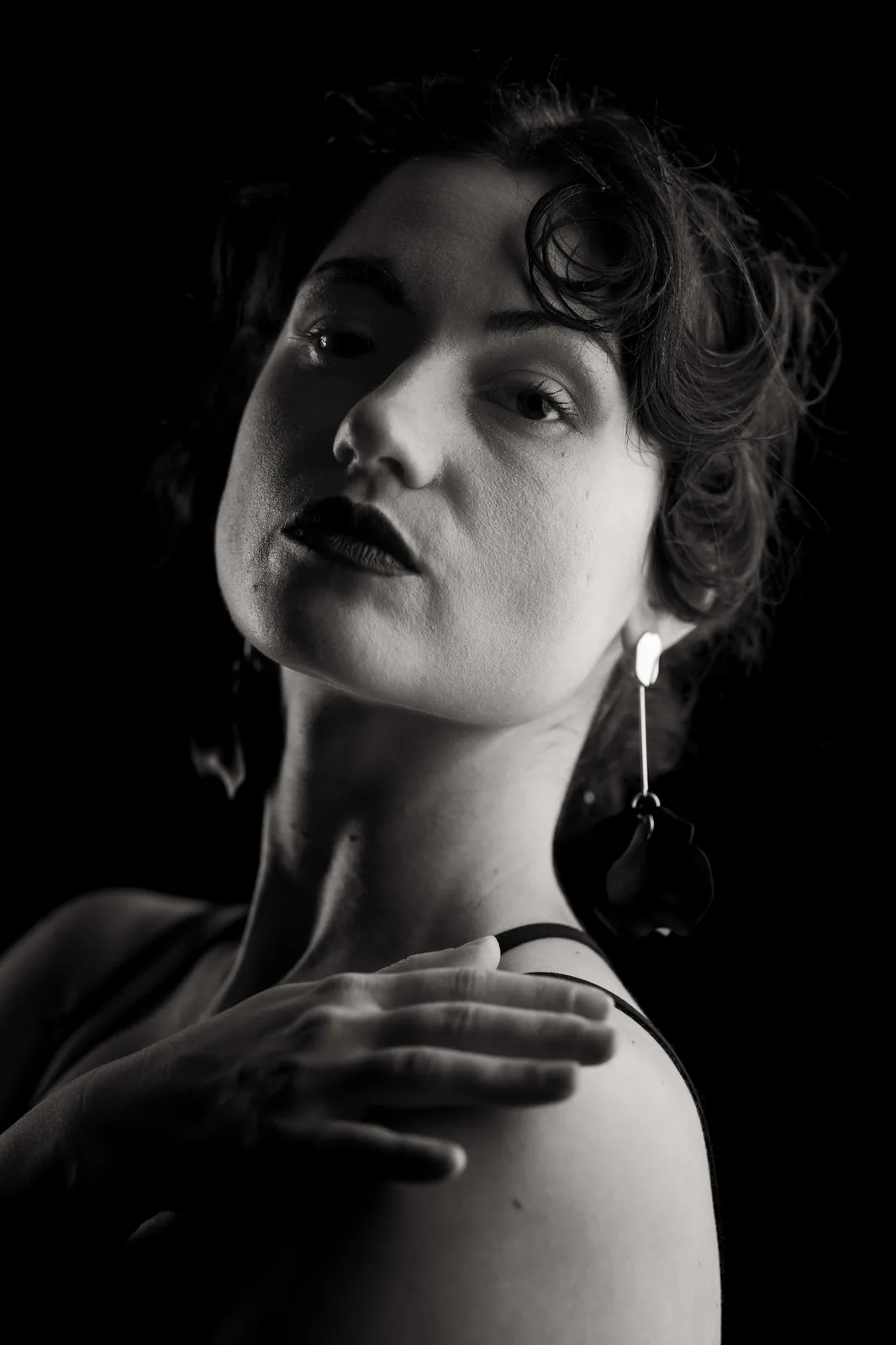
This reduction remained central in the final image processing. The black and white development was kept deliberately open: no completely crushed shadows, no aggressive contrast, no overworked retouching. Instead, soft midtones, controlled highlights and a calm, luxurious feel took precedence. It is precisely these in-between tones that give so many classical studio portraits their timeless quality to this day.
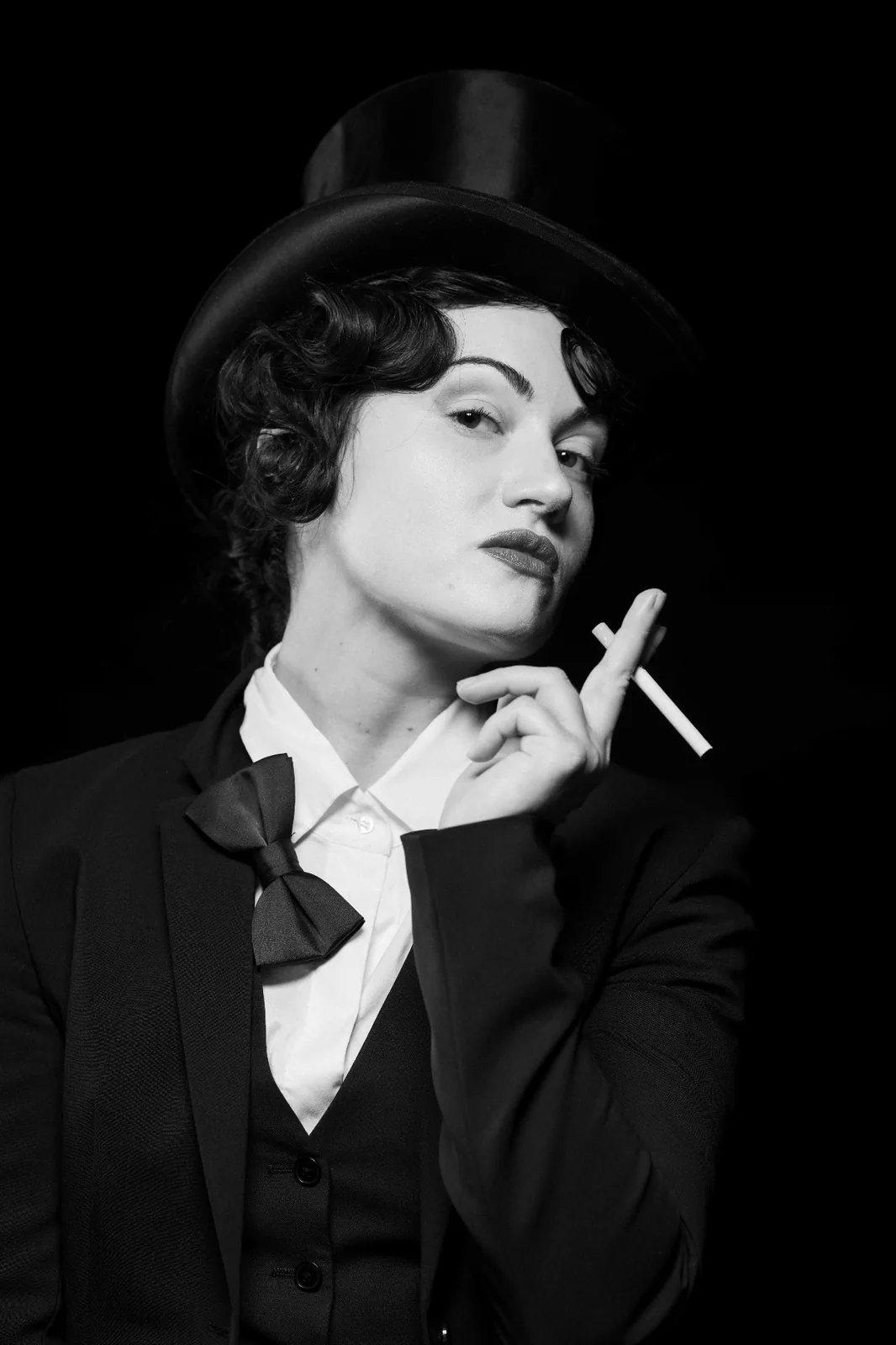
Monochrome Presence is therefore neither an homage to past film icons nor a nostalgic retro series. It is a contemporary editorial body of work about light, presence and timeless elegance — inspired by classical studio portraiture, but deliberately conceived in a modern visual language.
Or, more simply:
Some portraits do not need to be loud to remain in memory for a long time.